Argentina is a country that takes itself very seriously, which is why you should too: Buenos Aires and Patagonia
 Mika Soren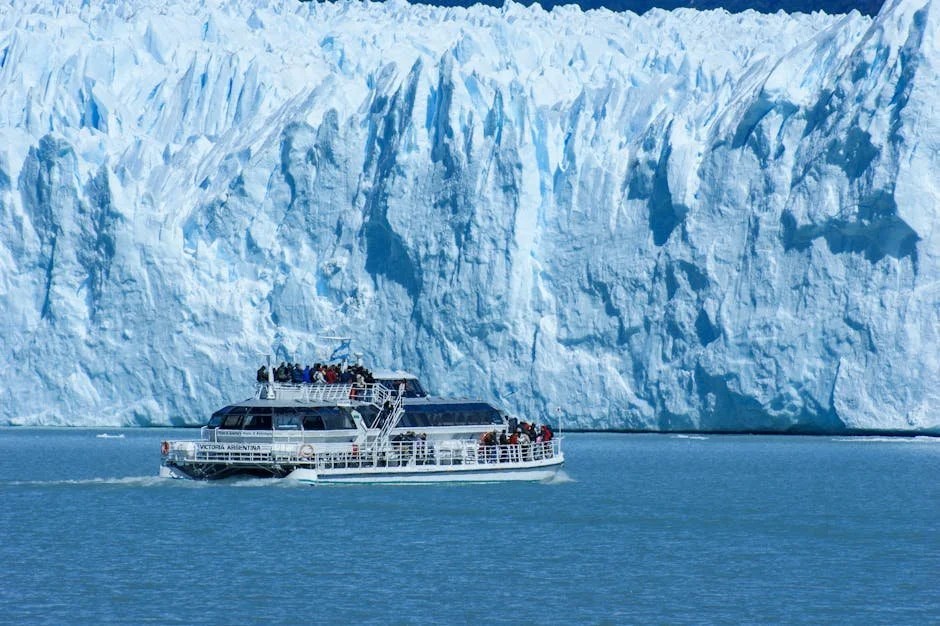
Buenos Aires takes itself seriously.
The architecture, the café culture, the very strong opinions about which asado technique is correct, the way people dress to go to dinner, the psychoanalysis (Buenos Aires has the highest density of psychoanalysts per capita of any city in the world, which tells you something about the level of self-examination happening).
It is a city with an enormous sense of its own identity and the history to support it.
I loved it immediately and found it slightly exhausting and went back twice.
Buenos Aires: the European city at the end of the world
Buenos Aires is regularly compared to Paris and the comparison is partly lazy and partly accurate. The Haussmann-influenced boulevards, the café culture, the late dinners, the intellectual self-seriousness. But it’s also distinctly not European in ways that make it more interesting than any European city it resembles: the political history, the culture collisions, the tango.
The neighbourhoods. Palermo is the main tourist neighbourhood and it’s large enough to have subdivisions: Palermo Soho (boutiques, brunch, restaurants), Palermo Hollywood (media companies, nightlife), Las Cañitas (slightly calmer). San Telmo is the old colonial neighbourhood, cobblestones, antique shops, the Sunday market at the Plaza Dorrego. La Boca is the colourful port neighbourhood (Caminito, the famous painted buildings) but is tourist-facing; the working class neighbourhood behind it is where the culture lives. Recoleta for the Belle Époque architecture and the cemetery.
The Recoleta Cemetery. One of the great cemeteries: elaborate mausoleums built in the style of miniature cathedrals, famous Argentine figures buried here (Evita Perón in the Duarte family vault, which is always attended by flowers). A strange and fascinating place to walk through on a Sunday afternoon.
The MALBA (Museo de Arte Latinoamericano de Buenos Aires). The best collection of Latin American modern and contemporary art I’ve seen. The permanent collection covers the 20th century across the continent; the temporary exhibitions are consistently excellent.
The tango. Buenos Aires is where tango comes from and it’s lived here as a practice, not a tourist performance. The milongas (tango dance halls) operate nightly in the city: some are very formal (you must know the cabeceo, the subtle nod invitation system), some are more accessible. El Beso, Sunderland Club, La Catedral (informal, in a converted warehouse, welcoming to beginners). Go to watch a milonga even if you’re not dancing. The seriousness of the dancers, the musicality, the ritualised partnering system: it’s one of the more compelling social rituals I’ve watched.
Eating in Buenos Aires: Asado. This requires more than a sentence. Argentine beef is some of the best in the world (grass-fed, from the Pampas, the fat distribution and flavour is different from grain-fed beef). The parrilla (the grill) is the central technology. The cuts: bife de chorizo, asado de tira (short ribs), entraña (skirt steak), mollejas (sweetbreads), provoleta (grilled provolone with oregano, eaten as a starter). The chimichurri. The Malbec. Don Julio in Palermo is the famous restaurant; La Brigada in San Telmo is the local one. Both are correct. Eat slowly.
Patagonia: the thing at the end
Patagonia is at the bottom of the continent and it looks exactly like the end of somewhere.
The scale of it: flat steppe going to every horizon, wind that bends the trees permanently east, the mountains appearing suddenly at the Chilean border, the glaciers that are large enough to have their own weather.
El Calafate and the Perito Moreno Glacier. The Perito Moreno Glacier is 30km long, 5km wide, and 60m tall at the face where it meets Lago Argentino. It’s one of the few glaciers in the world that’s not retreating (roughly in equilibrium). You walk to viewing platforms above the lake and watch the face: every few minutes a tower of ice calves from the glacier into the water with a crack like a rifle shot that echoes across the lake.
The sound and scale of it is something you feel as much as see.
Ice trek on the glacier surface: available through the official operators, crampons provided, genuinely extraordinary. Walk across the surface of a glacier, through crevasses, to a table at the end where they serve whisky chilled with 200-year-old glacial ice.
El Chaltén and Fitz Roy. Argentina’s trekking capital, a small village under the Fitz Roy massif. The Laguna de los Tres trail (8 hours return) climbs to a lake directly below the granite spires of Cerro Fitz Roy and Cerro Torre. On a clear day the views are among the best mountain views available without technical climbing. On a cloudy day the mountains appear and disappear through the cloud, which is arguably better.
The wind. Patagonian wind is a force of nature. Genuinely, physically powerful: sustained winds of 60km/h are normal, gusts to 100km/h on exposed trails. Bring a windproof outer layer regardless of the temperature. Trekking poles are useful for balance on exposed ridges.
Practical things
The Argentine peso. Argentina has had ongoing currency issues for years. Exchange rates are variable and the official rate and the blue market rate may differ significantly. Check current guidance from travellers who’ve been recently; the situation changes.
The dinner hour. Buenos Aires eats very late. Most restaurants fill up at 9:30-10pm. Showing up at 7pm is fine (you’ll have the place to yourself) but showing up at 9:30pm is correct.
The siesta. Less observed in Buenos Aires than in smaller cities, but in smaller Patagonian towns and in the provinces, shops and restaurants closing from 1-4pm is still normal. Plan accordingly.
Patagonia transport. Most Patagonian travel is by domestic flight (Aerolíneas Argentinas or LATAM) or very long bus. The distances between Patagonian towns are significant; allow more time than maps suggest.
Coverage in Buenos Aires is good. In Patagonia, signal exists in the towns (El Calafate, El Chaltén) but drops quickly outside them. On the glacier trekking tours, you’re offline. Download offline maps for Patagonia. I’ve written up which eSIMs perform well in Argentina with current pricing.
Argentina takes itself seriously.
Sit with that. The steak, the tango, the glacier.
It’s earned the seriousness.
More from the region
Heading to Argentina? Sort your eSIM first.
I've compared the main providers, checked the real pricing, and put together a guide on the best eSIM options for Argentina.
Best eSIM for Argentina →