Vienna is not what I expected and that's the whole compliment: coffehouses, Klimt, and a train to Salzburg
 Mika Soren
Vienna in November.
Everyone said to go in the summer, for the outdoor concerts and the Naschmarkt in full swing and the cafés spilling onto the streets. I went in November because my schedule allowed November and because I have a theory that places you visit in grey weather reveal more of themselves than places you visit in postcard season.
Vienna in November was cold and slightly melancholy and more beautiful than I’d been led to believe, which is a high bar because the advance reviews were already good.
Vienna: the coffeehouse is the whole point
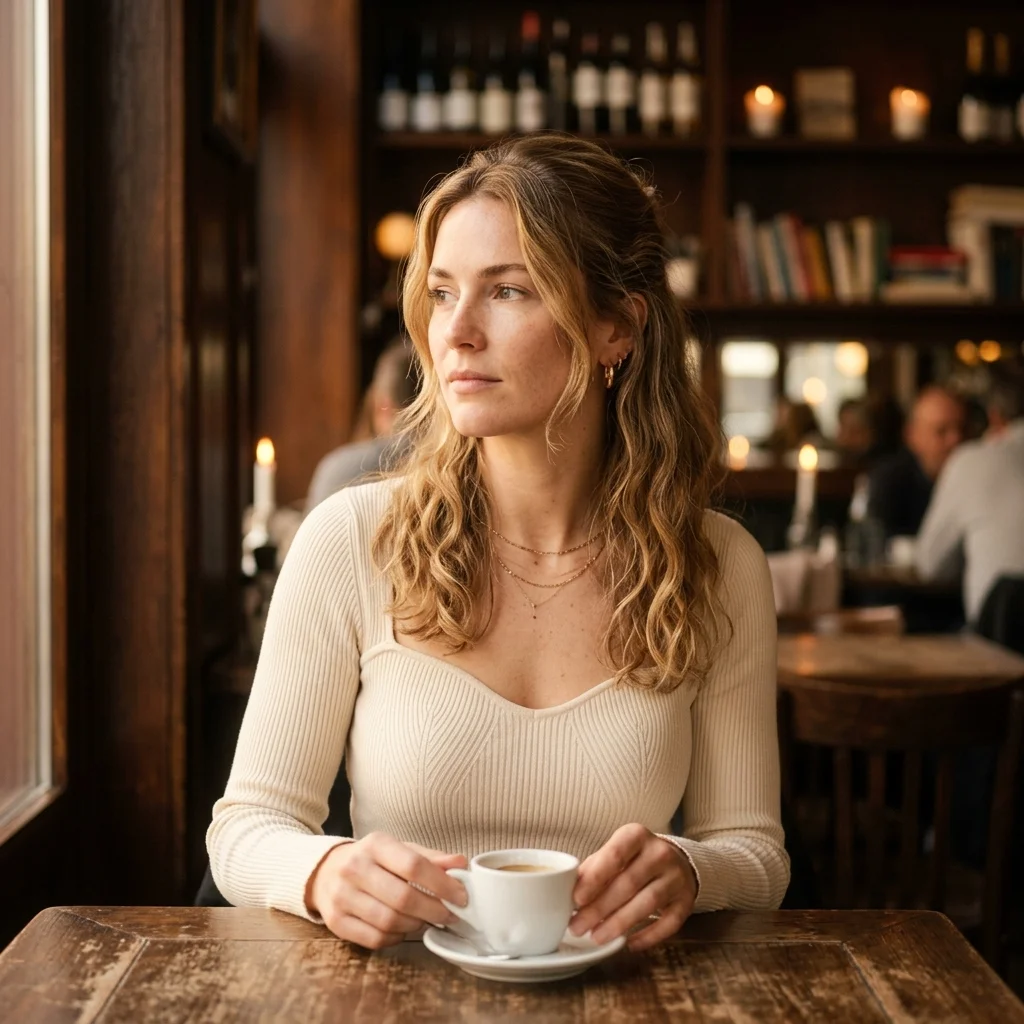
The Viennese coffeehouse tradition is not a metaphor or a tourist experience. It’s a real thing: coffee houses that have operated continuously since the 17th century, where you sit for two hours over a single Melange (coffee with milk, served with a small glass of water that is refilled automatically) and read a newspaper (they provide them, mounted on long wooden poles, international editions) and nobody asks you to leave.
This is one of the best possible ways to spend a grey November morning.
The houses to know: Café Central (the famous one, in a magnificent vaulted space in the city centre, popular with tourists but still operating as a real café, the Apfelstrudel is correct). Café Hawelka in the first district (opened in 1939, family-run, the décor has not changed since approximately 1960, the late-night atmosphere is the right one). Café Schwarzenberg on the Ringstrasse (more formal, the window tables for watching people on the boulevard).
The ritual: order, drink, read, refill water, read more. The waiter will not hover. You are safe.
The Ringstrasse. The grand boulevard encircling the inner city, built in the 19th century by Emperor Franz Joseph to replace the old city walls, lined with the Kunsthistorisches Museum, the Naturhistorisches Museum, the State Opera, the Parliament building, the Rathaus, and the Burgtheater. Walking the Ring gives you the full ambition of the Habsburg Empire in architectural form.
The Kunsthistorisches Museum. Art history museum in the twin building across from the Natural History Museum. The Bruegel collection (the largest collection of Pieter Bruegel the Elder’s work in the world) alone justifies the entry. The Velázquez portraits. The Egyptian section. Give it a full day.
The Belvedere palaces. Two baroque palaces on a hillside: the Upper Belvedere has the most important collection of Austrian art, including Klimt’s The Kiss.
Standing in front of The Kiss knowing it’s the original is a specific experience. The painting is smaller than you expect. The gold is more real than you expect. The garden between the two palaces is one of the more beautiful formal gardens in Central Europe.
Vienna’s Naschmarkt. A 1.5km outdoor market: produce, spices, olives, fish, cheese, prepared food, wine bars and breakfast cafés. Open Monday-Saturday. Go on a Saturday morning when the flea market section at the southern end is active: second-hand books, vintage jewellery, Austrian kitchenware.
What I ate in Vienna: Wiener Schnitzel (veal, properly thin, fried in butter or lard until the breading puffs away from the meat in waves, served with a lemon wedge and a potato salad, at Figlmüller in the Bäckerstrasse which is full of tourists and correct). Tafelspitz (boiled beef in broth with horseradish and chive sauce and rösti) at a traditional Beisl (Viennese tavern). Sachertorte at the Café Sacher (the original recipe, a dense chocolate cake with a thin apricot jam layer, not sweet in the way you expect, served with unsweetened whipped cream). The Apfelstrudel with vanilla sauce at Café Central.
The music. Vienna takes classical music seriously in a way no other city does. The Vienna Philharmonic. The State Opera. Standing tickets at the opera are available from the box office on the day for a fraction of seat prices. Queue early.
You stand at the back in semi-darkness and hear live music that is as good as live music gets.
Salzburg: the Mozart city that’s more than Mozart
Two and a half hours west of Vienna by train. The baroque city of Salzburg sits between the Alps and the Salzach River: the old city on the south bank, the fortress Hohensalzburg above it, the mountains visible in every direction.
Mozart was born here in 1756 and the city has been leaning into this heavily ever since. Mozart chocolates (Mozartkugeln), Mozart’s birth house, Mozart’s residence, the whole programme. Fine. The Mozart house is genuinely worth visiting. The chocolates are good.
The Getreidegasse. The narrow main shopping street in the old city with its characteristic guild signs (wrought iron signs hanging above every shop indicating the trade inside). Walk it once, slowly.
The Fortress. Hohensalzburg, on a hill above the city, one of the largest and best-preserved medieval castles in Europe. The funicular runs up, or you walk the steep path. The views from the ramparts over the city and the river and the mountains. The interior has the state rooms of the former prince-archbishops.
The Salzburg Festival. Five weeks in July-August, the world’s most prestigious classical music festival. Tickets sell out months ahead. If this interests you, plan a year ahead.
The Sound of Music. Yes, the tours exist. No, I didn’t do the full tour. I did walk past the Leopoldskron Palace and feel a small amount of recognition.
Practical things
The Vienna City Card. Covers all public transport and gives discounts at museums. Worth it for more than two days.
German in Austria. Austrian German has its own accent and some vocabulary differences from German German. “Servus” instead of “Hallo,” “Grüß Gott” as a greeting. Menus use different words for things (Hendl for chicken, Paradeiser for tomatoes). This is charming rather than confusing.
January and February. The ski season. The Alps are accessible from Salzburg in under an hour. World-class skiing at prices that are expensive but less than Switzerland. Innsbruck (further west) for the full Alpine town experience.
Coverage in Vienna and Salzburg is excellent. The eSIM options for Austria are largely EU-roaming compatible if you have an EU SIM, but I’ve put together a specific guide for Austria connectivity for visitors from outside Europe.
Vienna in November was the right call.
The coffeehouse, the Klimt, the opera from the back row standing.
Go in whatever season you can.
More from the region
Heading to Austria? Sort your eSIM first.
I've compared the main providers, checked the real pricing, and put together a guide on the best eSIM options for Austria.
Best eSIM for Austria →