Brazil is several countries at once: Rio, Salvador, and the Amazon I almost didn't do
 Mika Soren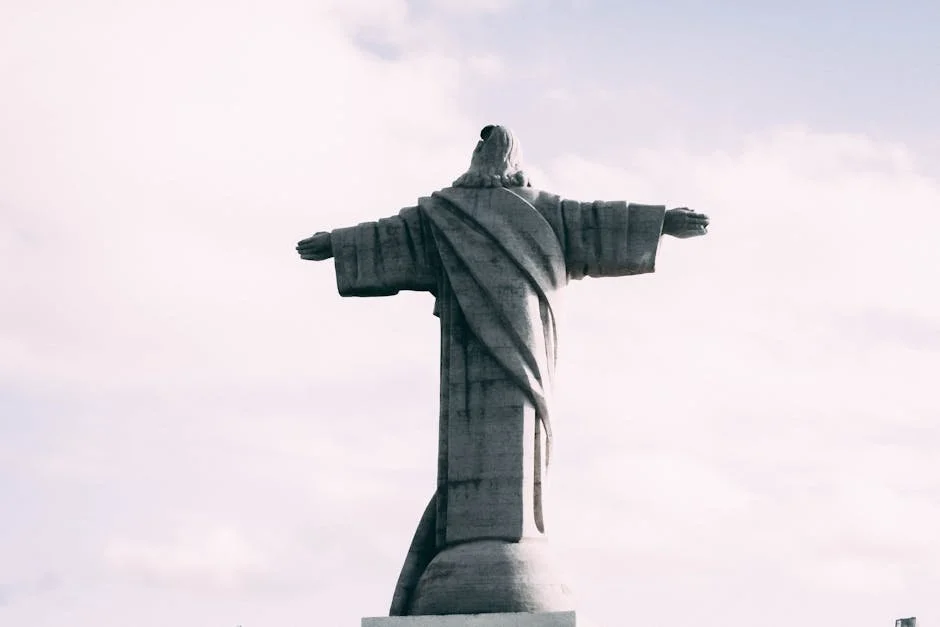
Brazil is the country I prepared for most incorrectly.
I read about the safety concerns (real, navigable), the cost (higher than the rest of South America, still affordable), the scale (enormous, actually: eighth-largest country in the world). What I didn’t prepare for was how deeply itself it is.
Brazil doesn’t feel like any other Latin American country. It doesn’t feel like anywhere. It’s operating on its own cultural frequency and it takes a few days to tune in.
Once you do, it’s one of the best places I’ve been anywhere.
Rio de Janeiro: the city with the view problem
Rio has so many extraordinary views that you can end up spending an entire trip going to viewpoints instead of experiencing the city. I did this on the first two days. I’m not apologising.
Corcovado and Christ the Redeemer. On the top of a mountain above the city. The statue is enormous and slightly humbling to stand at the base of. The view from the platform around it is the famous one: the city in every direction, Sugarloaf and the bays and the favelas on the hills. Take the cog train up (the van option is worse). Go early morning for fewer people and clearer air. Book tickets online ahead.
Sugarloaf (Pão de Açúcar). The cable car goes up in two stages: first to Morro da Urca, then to the summit. The view at the top at sunset, with Christ the Redeemer visible across the city and the ocean going orange: this is the one. People propose up here. I understand why.
The beaches. Ipanema and Copacabana are both real and both genuinely beautiful. The beach culture in Rio has a social geography: different sections of the beach have different communities (the posto sections). Posto 9 on Ipanema is the most famous. Go to the beach in the morning before the heat peaks. Drink água de coco from the vendors on the beach. Swim, but know the rip currents on Copacabana are real and the lifeguards are there for a reason.
Santa Teresa. The hillside neighbourhood above the city, reached by tram (currently running again after years of closure), full of artists and old colonial houses and steps that connect the tram line to the streets above and below. The views from Santa Teresa’s streets down to the city and the bay. The bars at the bottom of the steps in the evening.
Lapa. The nightlife neighbourhood below Santa Teresa: the Roman-style arched aqueduct (now a tram viaduct) is the landmark, the bars and clubs around it are the destination on weekends. Chorinho (traditional Brazilian music: fast, intricate, performed by small ensembles on cavaquinho and accordion and clarinet) is played at the bars around Lapa on Friday and Saturday nights. This is not tourist performance. It’s a living music tradition and the standard is remarkable.
Eating in Rio: Feijoada (black bean and pork stew, Brazil’s national dish, served with rice, collard greens, farofa, orange slices, traditionally on Saturdays) at a proper restaurant on a Saturday, the full spread. Açaí na tigela (frozen açaí topped with granola and banana) from the juice bars everywhere: a real food, not a health trend. The churrasco (Brazilian barbecue) at a proper churrascaria: rotisserie skewers brought to your table continuously, you indicate when you want more by flipping your coaster from green to red, this is the correct system and you will eat too much.
Salvador: the African heart of Brazil
Salvador in Bahia is the city I thought I’d visit for four days and stayed in for eight.
It’s the first capital of colonial Brazil and the city with the largest African-descended population in the hemisphere outside of Africa itself. The culture reflects this at every level: the food, the music, the religion (Candomblé, the syncretic Afro-Brazilian tradition, is practised openly and the terreiros are accessible to respectful visitors), the capoeira performed in the Pelourinho streets.
Pelourinho. The colonial historic centre, UNESCO-listed, on a hill above the lower city. Colourful townhouses, baroque churches, the Largo do Pelourinho square where capoeira groups perform. The Olodum percussion group (the ones on the Michael Jackson video) still play in the Pelourinho streets on Tuesday nights. Genuinely.
Candomblé. The Afro-Brazilian religious tradition brought by enslaved Yoruba people from Nigeria and Benin. Finding a terreiro that welcomes visitors for a ceremony requires a local contact or a guide who has genuine relationships with the community. If you can access this, go. It’s one of the most moving religious experiences I’ve had.
The food. Bahian cuisine is the best regional food in Brazil and among the best regional cuisines in South America. Moqueca (seafood stew with coconut milk, dendê palm oil, coriander and peppers), acarajé (fried bean cake stuffed with shrimp and vatapá and caruru, sold from street stalls by the Baianas in traditional white dress), vatapá (a thick paste of bread, shrimp, peanuts, and coconut milk), caruru (okra and dried shrimp). Eat all of these.
The Amazon: the thing I almost skipped
I was going to skip the Amazon because I’d allocated my time already and the logistics seemed complex.
A Brazilian traveller I met in Salvador looked at me with visible disappointment when I explained this and said that skipping the Amazon was skipping the whole point of being in Brazil.
She was right.
I flew to Manaus and took a river boat (a three-deck wooden boat, hammocks instead of cabins, four days downstream) to Santarém. This is one of the most extraordinary journeys I’ve taken anywhere.
The river. The Amazon is not a river in the way the rivers you know are rivers.
It is a world: up to 30km wide in the wet season, the banks covered in continuous primary forest, the water channels branching and rejoining, pink river dolphins, caimans visible from the boat at night, the sounds at night when the river is still.
Manaus. A city of two million in the middle of the Amazon rainforest, accessible only by river and plane. The opera house (Teatro Amazonas, built at the height of the rubber boom in 1896, genuinely lavish, genuinely in the middle of the jungle) is the absurdity and wonder of it in one building.
The boat journey. The hammock boats (slow boats) between Amazon cities carry locals as much as tourists: families, merchants, students going home. You string your hammock on the deck, eat the meals from the boat kitchen, watch the forest pass for days. It is the right pace for understanding the scale of the thing.
Practical things
Safety is real and manageable. Rio especially has crime risks that need to be taken seriously: don’t walk with visible phones or cameras in certain areas, use taxis or Uber at night rather than walking, avoid certain areas solo after dark. This is not theoretical caution. It’s the practical approach that locals use and that tourists should follow. Travel insurance that covers medical is essential.
The Portuguese. Brazilian Portuguese is different from European Portuguese in accent and some vocabulary. Spanish helps but is not the same language. English is spoken in tourist areas and almost nowhere else. Download Google Translate for offline use with the camera function; it’s genuinely useful for menus.
The distances. Brazil is enormous. Flying between cities is faster than you’d expect given the country’s size (the domestic flight network is good) and significantly faster than buses.
Coverage in Rio, São Paulo, Salvador, and the main cities is excellent. In the Amazon, coverage follows the river towns: good in Manaus and Santarém, limited to nonexistent between them. If you’re doing river travel, accept the offline days as part of the experience. I’ve compared eSIM options in my Brazil connectivity guide for those who want the detail.
Brazil operates at its own frequency.
Tune in. Stay longer than you planned.
It’s worth it.
More from the region
Heading to Brazil? Sort your eSIM first.
I've compared the main providers, checked the real pricing, and put together a guide on the best eSIM options for Brazil.
Best eSIM for Brazil →