Canada is very large and I have seen approximately 4% of it: Vancouver, Québec, and the Rockies
 Mika Soren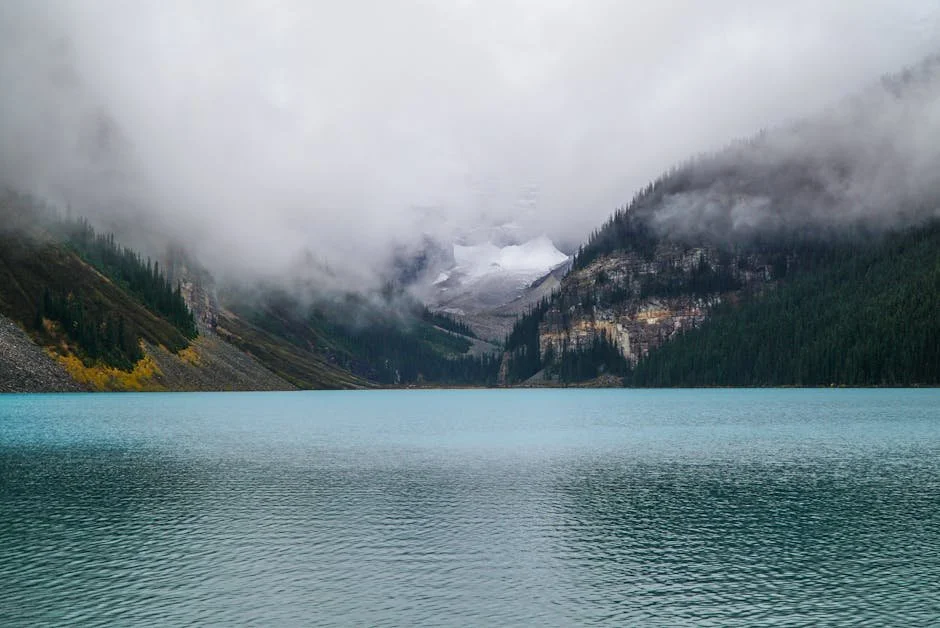
I’ve been asked several times whether Canada is “worth it” for international travel.
This question confuses me. Canada is the second-largest country on earth. It contains rainforest, Arctic tundra, prairie, mountain ranges, glaciers, and two distinct language cultures. It has a city that’s simultaneously a Pacific coastal port and a remote hiking hub and one of the better restaurant scenes in North America. Saying Canada isn’t worth it is like saying “the ocean isn’t interesting.”
You’ve probably only seen a small piece of it. So have I.
Vancouver: the one that works as a base
I came to Vancouver to use it as a base for a client project and stayed longer than the project required because the city was better than I expected and the access to wilderness from inside a major city is unreasonable in the best direction.
The city structure. Vancouver is geographically compressed: mountains directly north, ocean to the west, the Fraser River delta to the south. This means that from the city centre you can be at a trailhead in 30 minutes and in serious backcountry within two hours. The city itself is low-rise (height restrictions protect the mountain views), walkable in the core, and has a seawall path along the waterfront that runs for 22 kilometres.
Stanley Park. 400 hectares of old-growth temperate rainforest in the middle of the city. The seawall loop (9km), the forest trails, the views across Burrard Inlet to the North Shore mountains. I ran the seawall loop at 6am twice a week during my stay and it never got old. The park has raccoons that will stare you directly in the eyes and evaluate your life choices.
The North Shore. Cross the Lions Gate Bridge or take the SeaBus to North Vancouver. The Grouse Mountain gondola for the view over the city (and to ski in winter, minutes from downtown). The Capilano Suspension Bridge (touristy, expensive, fine). The Lynn Canyon suspension bridge nearby: free, slightly less vertiginous, still impressive. The trails off the main paths: go with someone who knows the area.
Granville Island. Under the Granville Bridge, an arts market and food market and studios complex. The Public Market is genuinely good: bread, cheese, fish, produce, prepared foods. Slightly tourist-facing now but the ingredients are real. Go on a weekday morning for the actual market experience.
Eating in Vancouver: The Japanese food is extraordinary (Vancouver has one of the best Japanese food scenes outside Japan, due to the size of the Japanese-Canadian community). Ramen on Robson Street, sushi in the Japanese-dominated Tinseltown area, izakaya in the West End. The dim sum in Richmond (the suburb to the south with the largest Chinese community in Canada) is genuinely the best outside Hong Kong. Require a car or the Canada Line.
Québec City: winter by accident
I had a layover in Montréal in January and took the train to Québec City for what was supposed to be two nights. It was -18°C. I stayed four nights.
The old city (Vieux-Québec). The only fortified city north of Mexico in North America. The walls still stand. Inside them: cobblestone streets, the Château Frontenac hotel (the most photographed hotel in Canada, correctly), 17th-century stone buildings, churches, the sweeping terrace overlooking the St. Lawrence River.
In winter, covered in snow, with woodsmoke from chimneys and the ice sculptures from the Carnaval festival: one of the better environments I’ve found anywhere.
The Carnaval de Québec. Late January/early February. Ice sculptures, outdoor events, people drinking caribou (warm wine-based drink, essential) from plastic bottles while watching ice canoe racing across the frozen river. The cold is real (dress for genuinely cold: layers, waterproof outer layer, face covering). The experience of an outdoor winter festival in a city that embraces rather than apologises for its climate is extraordinary.
The food. Québec has a distinct French-Canadian cuisine tradition: poutine (this is the correct form, not the versions everywhere else: fresh-cut fries, real cheese curds, proper gravy), tourtière (meat pie), maple syrup on everything in March during sugaring-off season. Eat at the traditional restaurants in the old city. The bistros in the Saint-Roch neighbourhood (lower town) for the more contemporary version.
Montréal (if you have time). A city I only saw the airport of, plus three hours walking around Plateau-Mont-Royal. Enough to confirm: go properly, give it a week, the food and cultural scene deserve serious time.
The Rockies: the most spectacular drive I’ve done
Fly into Calgary. Rent a car. Drive west.
The Icefields Parkway (Highway 93) between Banff and Jasper is 232 kilometres of probably the most consistently spectacular road scenery in the world.
Turquoise lakes (the colour comes from glacial flour suspended in the water), glaciers visible from the road, wildlife at roadside (elk, bears, mountain goats that stand on impossibly steep rock as a casual activity). Drive slowly. Stop at everything.
Banff National Park. The famous lakes: Lake Louise (turquoise, glacier above, the Chateau Lake Louise hotel on the shore, very crowded in summer, go at dawn), Moraine Lake (more turquoise than Lake Louise somehow, the Valley of the Ten Peaks behind it, the view from the rockpile above the lake is the view you’ve seen a thousand times and it’s still right), Peyto Lake (a viewpoint above the lake, the water is electric blue in a way that stops people mid-step). All real, all correct.
Banff Town. A mountain resort town at 1,400 metres. Good for supplies and a base. The streets are full in summer; book accommodation months ahead. The Banff Springs Hotel is magnificent and expensive. The hostel near the river is fine.
Jasper. Smaller than Banff, less crowded, slightly rawer. The Athabasca Glacier (drive onto it with Ice Explorers, or hike up the moraine for the view for free). Maligne Lake for the boat tour to Spirit Island (one of the most photographed spots in Canada). Maligne Canyon in winter for ice walking.
Wildlife. Bears are real. Black bears and grizzlies both, particularly active in spring and fall. Carry bear spray. Know how to use it. Don’t run. The Parks Canada app has good wildlife alert maps. I saw three grizzlies on my drive along the Parkway, at safe distances, and it was completely correct.
Practical things
The scale. Canada is 9.9 million square kilometres. Getting anywhere takes longer than you think. A flight from Vancouver to Québec City is five hours. Plan for this.
Weather in winter. Winter in eastern Canada (Ontario, Québec) is genuinely cold. -20°C in January is normal in Québec City. This is fine with proper clothing and the indoor culture adapts for it.
The French language. Québec Province primarily speaks French. In Québec City especially, French first is strongly preferred and appreciated. Basic French goes a long way. Everyone in the tourist areas speaks English but the cultural preference for French is real and worth respecting.
Vancouver costs. Vancouver is one of the most expensive cities in Canada and among the more expensive in North America. Food and accommodation costs are significant. Cooking in a hostel kitchen or renting an Airbnb with a kitchen changes the budget equation.
Coverage across Canadian cities is excellent. Rural British Columbia and remote parts of the Rockies can have very limited signal. In Banff National Park specifically, signal can disappear on remote roads. Download offline maps before leaving Banff town. I’ve compared eSIM options and put together a current guide to connectivity in Canada.
Canada is very large. I’ve seen approximately 4% of it.
The 4% was extraordinary.
More from the region
Heading to Canada? Sort your eSIM first.
I've compared the main providers, checked the real pricing, and put together a guide on the best eSIM options for Canada.
Best eSIM for Canada →