Colombia surprised me and then kept surprising me: Medellín, Cartagena, and the coffee region
 Mika Soren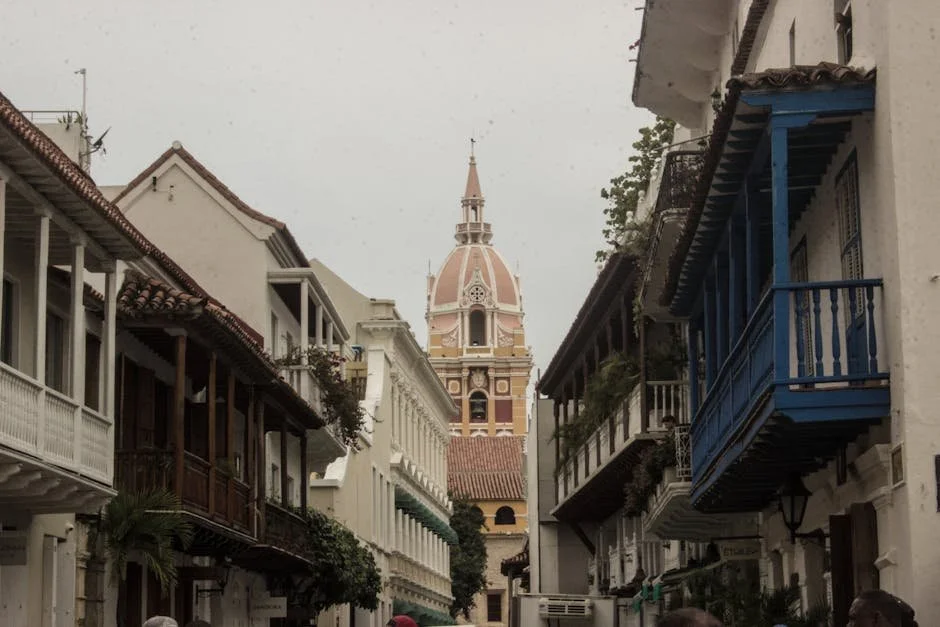
Colombia has a before-and-after quality to it.
Before you go, it’s a country you’ve read about in two contexts: the cartel history that shaped the 1980s and 1990s, and the travel headlines from the last fifteen years declaring it Transformed and Safe and The New Hotspot.
These framings are both true and neither one prepares you for the actual experience of being there.
What I found: a country of genuine warmth, complex culture, extraordinary natural diversity, and the most interesting urban transformation I’ve seen anywhere in Latin America.
Medellín: the transformation, in person
Medellín was the most dangerous city in the world in 1991. Pablo Escobar was killed in 1993. In the thirty-plus years since, the city has done something that urban planners and sociologists still study: rebuilt itself.
The physical evidence of this is most visible in the comunas on the steep hillsides above the city. These were the areas most affected by violence in the 80s and 90s. They’re now connected to the city centre by the Metro Cable (gondolas that rise from the metro station into the hillside neighbourhoods) and the escaleras eléctricas (the world’s first outdoor urban escalator system, running up the hillside of Comuna 13).
Comuna 13. Come here and think about what you’re actually seeing. A neighbourhood that was the site of military and paramilitary operations as recently as 2002 is now an outdoor gallery: murals covering every surface, free street art tours, hip-hop performances on the escalera steps on weekend afternoons. The transformation is real. The murals document both the history and the present. Come with a local guide if you can: the context is important.
El Poblado. The area where most travellers stay: safer, more expensive, full of hostels and restaurants and cafés. The Parque El Poblado for morning coffee. The nightlife in Parque Lleras on weekend evenings. Fine as a base, less interesting than the city beyond it.
Laureles and Envigado. The residential neighbourhoods where young Medellín professionals live. More authentic feel, better everyday food options, the parque (main square) culture of each barrio. Parque Envigado on a Saturday morning for the market and the families and the arepas from the stalls.
The metro system. Clean, efficient, air-conditioned, covers a remarkable amount of the city. The Metro Cable lines extend into the comunas. Take them all at least once.
Eating in Medellín: Bandeja paisa: the Antioquian feast (beans, white rice, chicharrón, ground meat, fried egg, avocado, plantain, arepa, sausage) served on an enormous plate. It’s a full meal with no apologies. Arepa de chócolo (sweet corn arepa) with cheese from any bakery in the morning. The fresh fruit juice situation: jugos naturales everywhere, in flavours (lulo, maracuyá, tomate de árbol, guanábana) that have no equivalent outside tropical Latin America. The aguardiente (anise spirit, the national thing) after dinner.
Cartagena: the heat and the colour
Cartagena on the Caribbean coast is the colonial city: the walled old town with its 16th-century fortifications, the pastel-painted houses with bougainvillea spilling over balconies, the heat that begins at 8am and doesn’t leave until after midnight.
The walled city (Ciudad Amurallada). Walk the walls at sunset. The view across the water, the city below you, the sunset going orange: this is what Cartagena offers and it delivers. The streets inside the walls are beautiful: narrow, shaded by the buildings, full of plaza with open-air restaurants and people selling fruit from baskets on their heads.
Getsemaní. The neighbourhood outside the walls that’s been gentrifying for the last decade but retains more of its original character than the walled city. Locals sitting outside their houses in plastic chairs in the evening. Street food at the corner tiendas. The murals on the walls. Spend evenings here rather than in the more expensive walled city.
The food. Caribbean Colombian food is different from the inland food: more fish, more coconut, more African influence in the cooking. Ceviche with a splash of coconut milk. Fried fish with patacones (twice-fried plantain). The fruit vendors selling cut mango with lime and salt from carts at every corner, which is correct.
The heat. It is very hot in Cartagena and does not cool down at night. This is not a problem, it’s a character of the place. Slow down. Drink water constantly. The midday pause makes sense here.
The Zona Cafetera: where the coffee actually comes from
The coffee-growing region between Medellín and Cali: Pereira, Armenia, Manizales, the small towns of the Coffee Triangle. The Eje Cafetero. This is where Colombian coffee (which is not one thing but a spectrum of microclimates and varietals and processing methods) comes from.
I drove through over three days, stopping at farms, drinking coffee at altitudes above 1,500 metres where the air is cooler and cleaner and the slopes are covered in coffee plants and banana trees grown for shade.
The farm visits. Most fincas in the region offer tours: the cherry picking, the wet and dry processing, the roasting. I found a small family-run finca outside Salento through a recommendation and spent a morning walking the rows with the owner who explained the varieties (Colombia has been expanding beyond Castillo into heirloom varietals like Geisha and Bourbon).
The cup at the end, brewed from beans processed that morning, was something I’ve been trying to replicate since.
Salento. A small colonial town in the hills, the most photogenic in the region, full of hostels and coffee bars and wax palm tree viewpoints. The Cocora Valley above Salento: a path through the cloud forest into a valley where wax palms (Colombia’s national tree) grow in a landscape that looks slightly prehistoric. Very tall, very narrow, slightly surreal.
The jeeps. The Willys jeeps (left over from the American construction projects of the 1950s and still the primary transport in rural Cuzco) carry passengers and coffee sacks and whatever else needs moving on the mountain roads. Riding one through the hills between farms is the right way to move.
Practical things
Safety has changed, genuinely. The Colombia of the early 2000s is not the Colombia of 2026. Tourist areas in Medellín, Cartagena, and the Zona Cafetera are safe for normal travel. There are still areas and routes that require research: don’t travel between cities at night by road, check current advice for any remote regions. The Australian, Canadian, and UK Foreign Ministry advisories are useful and reasonably calibrated.
The coffee. Colombia exports most of its best coffee. What you drink locally is sometimes not the best the country produces. Specialty coffee shops in Medellín and the Zona Cafetera are where the good stuff is. Ask for single-origin and a pour-over.
The currency. Colombian peso. Highly affordable for most travellers. Credit cards accepted widely in cities. Cash useful in rural areas.
Altitude. Medellín is at 1,495 metres. The Zona Cafetera farms are higher. Not extreme altitude but worth knowing if you’re coming from sea level.
Coverage in Colombia is good in cities and along the main tourist routes. Signal drops in mountain coffee region roads and rural areas. I’ve compared eSIM options and written a current guide to staying connected in Colombia with 2026 pricing.
Colombia kept surprising me.
The transformation in Medellín. The colours in Cartagena. The coffee on a hillside at 7am with someone who’s grown it for thirty years.
It earns the attention it’s been getting.
More from the region
Heading to Colombia? Sort your eSIM first.
I've compared the main providers, checked the real pricing, and put together a guide on the best eSIM options for Colombia.
Best eSIM for Colombia →