Copenhagen converted me from a sceptic: hygge is real, the food is extraordinary, and the cycling is non-negotiable
 Mika Soren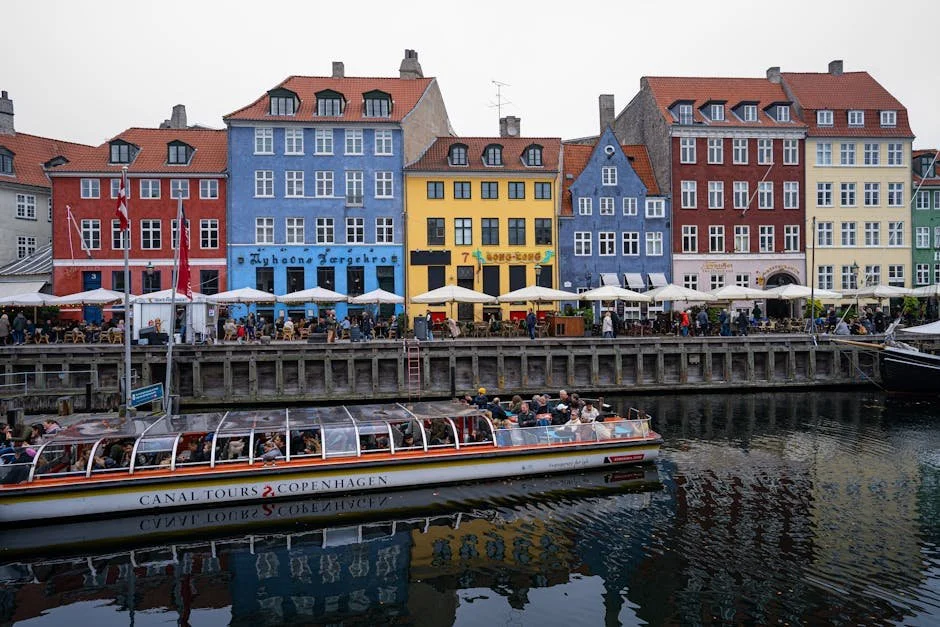
I was a Copenhagen sceptic.
Not hostile. Just unconvinced that a city famous primarily for expensive restaurants and a concept (hygge) that had been turned into a marketing term was worth the trip when I could be in Southeast Asia for a quarter of the cost.
I was wrong, and I was wrong fairly quickly after arriving.
Copenhagen: the city on a bike
The cycling infrastructure in Copenhagen is the best in the world and it changes how you experience the city. The dedicated cycle lanes are separated from both car traffic and pedestrian traffic and run on almost every major street. The cyclists are everyone: business people, parents with cargo bikes carrying children, elderly people, people in suits and high heels.
The bicycle is not a statement here. It’s transport.
Rent a bike on your first morning. The city immediately makes sense in a way it doesn’t on foot or by metro.
Nørrebord. The multicultural neighbourhood northwest of the centre: Nørrebrogade is the high street, full of independent cafés and second-hand clothes and the food stalls from the various immigrant communities that make up the area. The Assistens Cemetery (where Kierkegaard and Hans Christian Andersen are buried) is a neighbourhood park where people sunbathe and read. Very Copenhagen.
Vesterbro. The former red-light district that became the neighbourhood with the best food and bars in the city: the Meatpacking District (Kødbyen) now has restaurants and clubs in converted abattoir buildings. The street food at Meatpacking District markets on weekends.
Frederiksberg Gardens and Rosenborg Castle Gardens. Two of the better urban gardens in Northern Europe. The Rosenborg Castle inside its gardens has the Danish crown jewels in the basement.
The harbour and Islands Brygge. The harbour swimming areas: in June and July, Copenhageners swim in the clean harbour water at the public bathing piers. Islands Brygge Harbour Bath is the famous one: platforms and pools in the harbour, a normal part of city life. I went in June. The water is cold (19°C felt warm after being in Southeast Asia). It was completely correct.
The food
The New Nordic movement began in Copenhagen in the early 2000s with Noma and has produced one of the more interesting food cities in the world: local, seasonal, technically excellent, and available at prices ranging from extraordinary (Noma-tier) to very affordable (the smørrebrød lunch tradition).
Noma. Permanently full, requires booking many months ahead, transformatively expensive.
I haven’t been. Everyone I know who has been says it was worth it. Your decision.
Smørrebrød. The Danish open sandwich: dark rye bread (rugbrød) with precise toppings: pickled herring, smoked salmon, roast beef with remoulade and crispy onion, liver pâté with pickled cucumber. The traditional lunch. Available at dedicated smørrebrød restaurants (Aamanns is the modern version, classic ones in the Tivoli area) and at any bakery. Order multiple small ones. Eat them with Carlsberg or aquavit.
The bakeries. Danish pastry (wienerbrød: the flaky, buttery laminated pastry) in its home country is an entirely different food from its international exports. The cardamom knot (kardemomme snegl), the cinnamon roll (kanelsnegl), the fruit tart: eaten warm from the oven in the morning. Lagkagehuset bakery chain for the reliable version; the local neighbourhood baker for the better version.
The harbour food stalls and markets. The Saturday markets at Torvehallerne (covered food market near Nørreport station): fish, cheese, produce, specialty coffee, the smørrebrød stalls.
Practical things
Cost. Copenhagen is expensive. Similar to Norway but slightly less so. The mitigation: smørrebrød lunches at bakeries, the good supermarkets (Netto and Lidl) for self-catering, the free national museums.
The National Museum and the SMK. Both free. The National Museum covers Danish history from prehistory through Vikings to the modern period (the Viking Age exhibits are excellent). The SMK (Statens Museum for Kunst) is the national art gallery with a strong collection of Danish and European art.
The Tivoli Gardens. The famous amusement park in the centre of the city: opened in 1843, the inspiration for Disneyland, still operating, very expensive to enter. Worth it once for the evening atmosphere: the illuminations, the peacocks, the bands, the garden layout. Go on a summer evening.
Coverage in Copenhagen and across Denmark is excellent. I’ve put together an eSIM guide for Denmark with current options.
Copenhagen converted me.
The cycling, the smørrebrød, the harbour swimming in June.
Give it more than the usual long weekend.
More from the region
Heading to Denmark? Sort your eSIM first.
I've compared the main providers, checked the real pricing, and put together a guide on the best eSIM options for Denmark.
Best eSIM for Denmark →