Germany is not what I expected: Berlin, Munich, and the parts the travel guides underwrite
 Mika Soren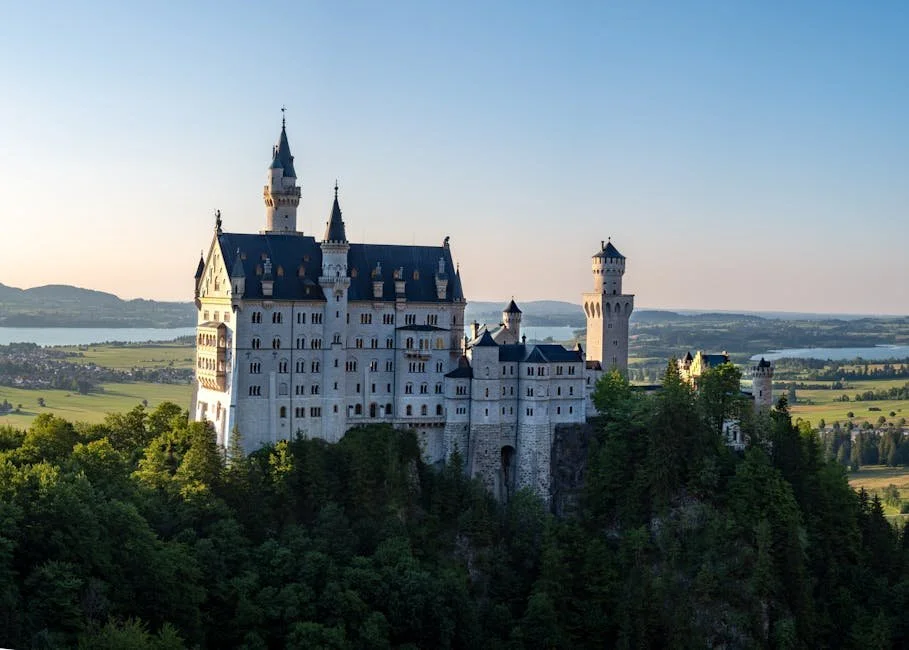
I had a very wrong idea about Germany before I went.
Not offensive, just incorrect. I was expecting efficient. Correct. Orderly. A country that works well and eats well and doesn’t particularly surprise you.
Berlin dismantled this in about three days.
Berlin: the city that doesn’t close
Berlin has no closing time.
That’s not quite accurate (some places close) but the mentality of the city is one where time of day is a suggestion rather than a structure. Clubs that open at midnight and run through Sunday. Bars with no windows so you can’t tell. A techno music scene that’s been operating continuously for thirty years and is still somehow not a parody of itself.
I went for two weeks and stayed for a month.
The neighbourhood logic. Berlin is made of distinct neighbourhoods that used to be separate cities (east and west, obviously, but also much older divisions). Mitte is central and increasingly glossy. Prenzlauer Berg is where the cafés have taken over and everyone has a pram. Neukölln is where things are still interesting: immigrant communities, record shops, affordable food, the bars along Weserstrasse and Reuterstrasse where people sit outside with Club Mate until 3am. Kreuzberg is adjacent and similar in energy. Friedrichshain is the nightlife one.
I stayed in Neukölln. I would do it again.
The history. You cannot be in Berlin and not engage with the history and you shouldn’t try to avoid it. The Memorial to the Murdered Jews of Europe (the Holocaust Memorial) in the centre: walk through it early in the morning alone, without your phone out. The Topography of Terror documentation centre, free entry, next to a remaining section of the Wall. The DDR Museum for a surprisingly well-executed interactive look at daily life in East Germany. Checkpoint Charlie is touristy and worth fifteen minutes.
The East Side Gallery. The longest remaining section of the Wall, along the Spree river, covered in murals by artists from 21 countries painted in 1990. Free to walk along. Some of the murals are famous enough to be on posters everywhere; seeing them in context is different.
The markets. Mauerpark market on Sunday mornings in Prenzlauer Berg: flea market, food, live music, karaoke in the amphitheatre (yes, outdoor public karaoke on Sunday mornings, it works). Türkischer Markt on Tuesdays and Fridays in Neukölln: a proper market with Turkish produce, cheap food, spices, bread.
Where I ate in Berlin: Curry 36 on Mehringdamm for currywurst at midnight (a rite of passage, the sauce is genuinely good, order it scharf). Mustafa’s Gemüse Kebap in Kreuzberg: always has a queue, deservedly, the vegetable döner is enormous and exceptional. For proper sit-down: Nobelhart & Schmutzig (hyper-regional German cuisine, the most interesting tasting menu I’ve had in Germany, book weeks ahead). For every other meal: whatever’s being grilled at the Turkish stall at Mauerpark.
The coffee scene. Berlin has an exceptional third-wave coffee scene. The Barn is the well-known one. Five Elephant in Kreuzberg roasts its own. Bonanza in Prenzlauer Berg. Strong flat white and a croissant on a weekday morning in any of these is as good as it gets.
Munich: twice, for different reasons
First visit: Oktoberfest. Second visit: everything else.
Oktoberfest. Two weeks in late September/early October. Yes, it’s touristy. Yes, it’s crowded. Yes, the litre steins are real and very heavy and you will feel them. You go once for the experience: the enormous tents, the oompah bands, the lederhosen-wearing locals who are having the time of their lives alongside the tourist visitors who are also having the time of their lives in a different key. Reserve a table inside a tent (the Augustiner-Festhalle tent, if you’re researching this). The food in the tents is better than expected: half a roast chicken, obatzda (a Bavarian cheese spread), pretzels the size of your head.
Munich without Oktoberfest. This is the city itself and it’s genuinely beautiful. The English Garden (larger than Central Park, a river through it, actual surfers on the Eisbach wave in the middle of a city) is one of the more remarkable urban parks I’ve walked through. The Marienplatz and the Glockenspiel at noon are crowded but the square itself is lovely. The Viktualienmarkt: a permanent food market in the centre with Bavarian specialities, good cheese, beer garden in the middle.
The Deutsches Museum. Technology and science museum covering everything from mining to aviation to computers. Enormous (the largest science and technology museum in the world, they say). Give it a full day. The aerospace exhibition alone is worth the entry.
Day trip to Neuschwanstein. The fairy-tale castle. It’s about two hours by train and bus. It is absolutely as beautiful as it looks in photos. It was also never finished and Ludwig II spent almost no time in it before dying mysteriously in a lake. Book the interior tour well ahead (ticket offices sell out). For the famous photo of the whole castle: walk to the Marienbrücke bridge above and look back. Go early before the coach tours arrive.
Bavarian food. Schweinshaxe (roasted pork knuckle, enormous, correct), Weißwurst (white veal sausage eaten before noon by tradition, with sweet mustard and a pretzel, washed down with Weißbier), Käsespätzle (cheese noodles, the Bavarian answer to mac and cheese and considerably better). Eat all of these at a beer garden at lunchtime. This is the correct order of operations.
The Rhineland: a route worth doing
I rented a car and drove from Cologne south along the Rhine valley through Koblenz to Bingen over three days. This is one of the better routes I’ve done in Europe.
The Rhine Gorge between Koblenz and Bingen is UNESCO-listed and looks it: vine-covered steep slopes, medieval castles on every hilltop, the famous Loreley rock, small towns with wine bars along the river. Stop in Bacharach (tiny, perfectly preserved medieval town, very good Riesling) and Rüdesheim (larger, busier, the cable car up to the Niederwald Monument for the view).
The wine. The Rhine and Moselle valleys produce some of the best Riesling in the world. In the wine bars in the small towns, order whatever they suggest. It will be a dry Spätlese or an off-dry Auslese and it will be very good and cheap by any international standard.
This is not casual wine tourism. This is drinking excellent wine in the place it comes from, which is a completely different experience.
A few practical things
The Bahncard. If you’re spending more than two weeks in Germany, the Bahncard 25 (gives 25% off Deutsche Bahn fares) pays for itself quickly. Available at any train station.
Sunday trading laws. Shops are mostly closed on Sunday in Germany. Plan your groceries accordingly. Restaurants and bakeries are open. This is jarring if you’re from Australia or the US and completely fine once you adjust.
Tipping. Round up, or add 10% for good service. Not obligatory but appreciated. Hand the tip directly to the server when paying, don’t leave it on the table.
German directness is real. This is not rudeness. Germans will tell you exactly what they think because that’s how they communicate. I found it refreshing after months in cultures where disagreement is expressed indirectly.
Coverage in Germany is generally very good across cities and major transport routes. Rural areas can have patches of slower signal. I’ve compared eSIM options for Germany and written up what actually performs well there with current pricing.
Germany keeps being better than the version of it people expect. Go to Berlin with several weeks. Rent a car somewhere regional. Eat in the beer garden.
The surprise is the whole point.
More from the region
Heading to Germany? Sort your eSIM first.
I've compared the main providers, checked the real pricing, and put together a guide on the best eSIM options for Germany.
Best eSIM for Germany →