Greece beyond the postcard: Athens, the Peloponnese, and islands that aren't Santorini
 Mika Soren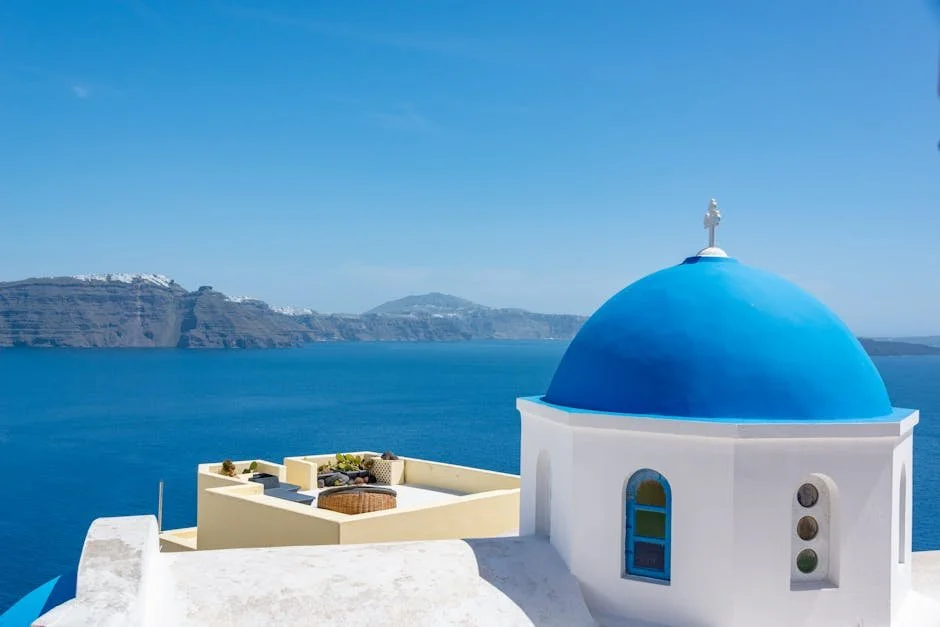
Everyone goes to Santorini.
I understand why. The white walls, the blue domes, the caldera view at sunset. I went too. It’s beautiful. It’s also extremely crowded, extremely expensive, and the experience of navigating Oia at peak summer season with 10,000 other people all trying to photograph the same sunset is one that I found more stressful than relaxing.
The Greece I keep recommending is slightly different.
Athens: stop doing it as a day trip
Athens has been consistently underrated as a city by the tourist industry that routes everyone through it for twenty-four hours on the way to the islands. I gave it eight days and I still felt like I’d only started.
The Acropolis. Yes, obviously. The Parthenon up close, after years of seeing it in photos, still manages to be surprising: the scale, the precision, the fact that it’s still there. Get there at opening time (8am in summer) before the heat and crowds compound each other. Bring water. The Erechtheion and the Temple of Athena Nike are worth looking at properly, not just the Parthenon. The Acropolis Museum at the base is excellent and modern and free on some days.
The neighbourhoods below. Plaka (touristy, not without charm, the old streets worth walking without shopping expectations), Monastiraki (the flea market on Sundays, the square at any time of day), Anafiotika (tiny, hidden, a village built into the rock of the Acropolis hill by Cycladic islanders in the 19th century, feels like you’ve stepped off a ferry into a different world), Psyrri (bars and restaurants in a former working-class district, the one I spent most evenings in).
The National Archaeological Museum. One of the most important collections of ancient Greek art in the world.
The Antikythera Mechanism (a 2,000-year-old analogue computer used to track astronomical positions) is in here and it will break your brain in the best way.
The Minoan frescoes from Akrotiri. The bronze Poseidon of Artemision. A full day, easily.
What I ate in Athens: Diporto Agoras: a basement taverna near the central market that has been there since at least the 1940s, they don’t have a menu, they tell you what’s cooking that day (usually chickpea soup, grilled fish, the daily stew, rough wine from the barrel). Go for lunch. It’s the most genuinely old-Athens experience I found. The central market (Varvakeios Agora) on Athinas Street: the meat hall and fish hall for the visual experience, the mezze stalls on the edges for eating. Exarcheia neighbourhood for coffee and politics (student/anarchist district, everyone is very opinionated, the coffee is good and cheap).
The Peloponnese: the part most visitors drive past
South from Athens across the Corinth Canal and into the Peloponnese, the large peninsula hanging off the bottom of mainland Greece. This is where the history is undiluted and the tourists are mostly absent.
Mycenae. The Bronze Age citadel of Agamemnon, from around 1600 BCE. The Lion Gate entrance. The royal graves where Schliemann found the gold funeral masks. Smaller than expected, more overwhelming than expected. An hour from Nafplio.
Nafplio. The most beautiful town I found in Greece. The first capital of independent Greece (briefly, in the 1820s), a Venetian harbour town with a fortress above it (Palamidi, 999 steps up, the view is extensive), good seafood restaurants along the waterfront, a central square with cafés that sit in the Venetian arcade. Stay two nights minimum.
Mystras. A Byzantine ghost city on a hillside above Sparta. Abandoned since the 19th century, now a UNESCO site: churches with frescoes intact, palaces, the whole medieval settlement frozen. Nobody goes here except serious history people and it deserves vastly more attention than it gets.
Monemvasia. A Byzantine fortress town on a rock connected to the mainland by a single causeway. The rock is inhabited. You walk through the gates and into medieval streets with Byzantine churches and houses carved into the cliff. The upper fortress above is ruins. The lower town is extraordinary.
One of the places in Europe I feel genuinely changed by.
The islands: which ones, and when
The island question is the central question of any Greece trip and the answer depends on what you want.
Santorini. The famous one. The caldera views are extraordinary. It works in shoulder season (May, October): fewer people, still warm enough. Summer: beautiful but very crowded and very expensive. The wine is actually excellent (Assyrtiko grown in volcanic soil, crisp and mineral).
Hydra. No cars. No scooters. Donkeys for luggage transport, boats for everything else. An hour and a half by hydrofoil from Athens. Steep, beautiful, a functioning artists’ community, the port town with its donkeys and cats is real rather than staged. Day trips are possible but staying overnight after the day visitors leave is when it’s best.
Naxos. Largest of the Cyclades, produces its own food (excellent cheese, wine, potatoes, citrus liqueur), less crowded than Mykonos or Santorini, has a good old town, mountains you can hike, beaches along the west coast that are some of the best in the Aegean. This is the island I’d spend a week on.
Crete. Large, diverse, its own food culture. The Minoan Palace of Knossos near Heraklion. The White Mountains and the Samaria Gorge in the west. Chania old town (the most beautiful harbour in the Aegean, Venetian lighthouse, good seafood). Malia for the archaeological site, not the beach resort of the same name. Give Crete a week.
The food, because Greece does it right
Greek food has been undersold for years by the export of a simplified version (souvlaki and Greek salad, which are both real and good, but the whole picture is larger).
Mezze culture is the key. You order many small things: fava (split pea purée with capers and olive oil), taramosalata, tzatziki, grilled octopus, spanakopita, fried zucchini flowers if they’re in season, dolmades. The meal takes two hours. This is correct.
Seafood in Greece, eaten at a taverna at the harbour, is one of the basic pleasures of Mediterranean travel: grilled whole fish (sea bass, bream), fried calamari from that morning, the boatman’s stew (kakavia). Order what came in that day, not what’s on the laminated menu.
The olive oil. Greece produces extraordinary olive oil and it’s in everything and this is why everything tastes better.
Practical things
When to go. May-June and September-October: warm, light crowds compared to July-August. July-August: peak season, maximum crowds, maximum prices, very hot. The islands are genuinely packed in August. Winter in Athens: fine and interesting, islands largely shut.
The island question (logistics). Flying is fastest between islands. Ferries are slower and more beautiful and give you the actual sea experience. Blue Star Ferries and Aegean Airlines are the main options. Book ahead for summer.
Driving the mainland. A rental car unlocks the Peloponnese completely. The roads are variable (some excellent, some winding mountain roads with no shoulder) but driveable. International licence accepted.
Coverage in Greece is generally good in cities and on the major islands. Remote areas of the mainland and smaller islands can be limited. I’ve tested several eSIM options and laid out what performs best in Greece for current travel.
Greece rewards people who go further than the postcard.
Go to Athens properly. Go to Nafplio. Find Monemvasia.
The islands are there too when you’re ready.
More from the region
Heading to Greece? Sort your eSIM first.
I've compared the main providers, checked the real pricing, and put together a guide on the best eSIM options for Greece.
Best eSIM for Greece →