Budapest is one of the most underrated cities in Europe and I don't understand why: the baths, the ruin bars, and the Danube at night
 Mika Soren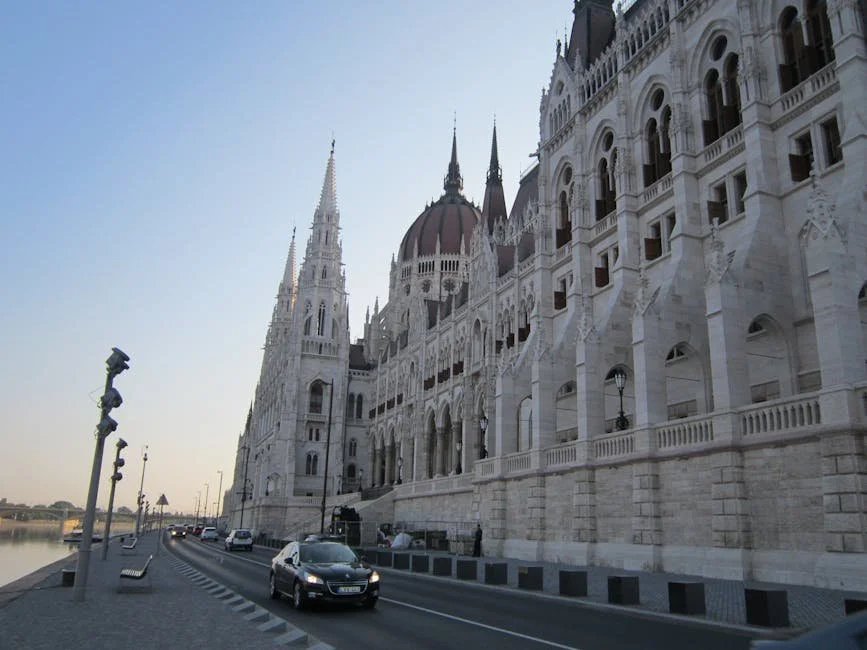
Budapest is consistently in the top tier of cities I’d send people to in Europe and is consistently underrated in travel conversations dominated by Paris and Rome and Barcelona.
The thermal baths. The architecture. The ruin bar culture. The food (better and cheaper than most of Western Europe). The Danube at night with the Parliament building lit.
I don’t fully understand why it’s not more famous than it is.
My best theory is that people see it as Eastern European rather than as European and apply different expectations. Those expectations need updating.
The thermal baths: the thing you do every day
Budapest sits above a geological fault line producing hundreds of thermal springs. The city has been bathing in this water since Roman times (the settlement was called Aquincum; the ruins are still visible in Óbuda). The communal bath culture is one of the more distinctive aspects of city life.
Széchenyi. The most famous and the most tourist-heavy: a grand Neo-Baroque complex in City Park with outdoor pools, indoor pools, saunas, and steam rooms. The outdoor pools in winter (hot water, cold air, chess players at the floating boards) are the iconic image. Fine, worth doing once, crowded.
Rudas. My preference. An Ottoman-era bath from 1566: the original octagonal pool under a dome with star-shaped windows, hot pools of varying temperatures, cold pools, steam room. The rooftop bar open on weekends. Less tourist-facing than Széchenyi.
Lukács. Local neighbourhood bath near the Buda waterfront: the actual population of the neighbourhood using it for what it’s designed for. Quietest, most authentic.
The approach: go to two different baths on different days. The smaller local baths in the morning when the regulars are there. Széchenyi once in the evening when it’s lit and the outdoor pool is full of people playing chess.
Buda and Pest: two cities
Budapest is two cities joined by bridges: hilly Buda on the west bank, flat Pest on the east. They have different characters.
The Buda Castle complex. Accessible by funicular or on foot: the castle (now housing the Hungarian National Gallery), the Mátyás Church (ornate, multi-coloured tile roof, been there in various forms since the 13th century), the Fisherman’s Bastion (a Neo-Romanesque terrace built purely as a viewing platform, the view over the Danube and the Parliament building across the water is the reason). Go at dawn: before the tour groups arrive, the Bastion in the early morning light is one of the better European cityscapes.
The Parliament building. On the Pest bank of the Danube: one of the largest parliament buildings in the world, Neo-Gothic, built at the turn of the 20th century. The interior tours are excellent (the staircase, the Holy Crown of Hungary in the dome). Book in advance.
The exterior from the Buda side at night is equally the point.
The Jewish Quarter (Erzsébetváros). The historical Jewish neighbourhood: the Great Synagogue on Dohány Street (the largest synagogue in Europe, capacity 3,000, the cemetery in the courtyard where victims of the Budapest Ghetto are buried), the smaller synagogues on surrounding streets, the memorial to the victims of the 1944-45 occupation. And the ruin bars.
The ruin bars
Ruin bars are Budapest’s specific contribution to bar culture: abandoned spaces (formerly vacant courtyards, derelict buildings, spaces left empty by the postwar period) converted into multi-room bar complexes with eclectic, slightly chaotic décor.
Szimpla Kert. The original and still the most visited: in a decayed courtyard building, rooms leading into rooms, mismatched furniture, the courtyard open in summer. Touristy now but authentic in origin and still worth going to at least once.
Instant-Fogas. The largest of the ruin bars: spreads across two connected buildings with multiple rooms and dance floors.
The ruin bar area extends across the Jewish Quarter and the best approach is to wander and discover rather than plan: the less well-known ones often have better atmosphere on a Thursday or Friday evening when the crowds are slightly thinner.
Eating in Budapest
Hungarian food is heavier than most Western European cuisines (a reflection of Central European winters) and considerably better than its international reputation.
Gulyás (goulash: a beef and paprika stew, more soup-like in Hungary than the version exported abroad). Lángos (fried dough served with sour cream and cheese, a street food sold at markets). Halászlé (fisherman’s soup, a fiery paprika-based fish stew). Töltött káposzta (stuffed cabbage with minced pork and rice in tomato sauce). The palinka (fruit brandy, distilled from plums or apricots, served cold, the traditional shot before a meal).
The Great Market Hall (Nagycsarnok) on the Pest side: a beautiful iron-and-brick covered market, produce on the ground floor, restaurant stalls on the upper floor. The paprika vendors downstairs for taking home the best ingredients the country produces.
Practical things
The forint. Hungarian Forint, not Euro. Good exchange rate for most visitors.
Transport. The BKK app covers all Budapest public transit. The metro (three historical lines plus newer extensions) covers the main arteries; trams and buses fill in the rest.
Day trips. Eger (90 minutes northeast): a beautiful Baroque city, the Valley of the Beautiful Women wine region directly outside it, the castle where the Ottomans were held at bay in 1552. One of the better day trips from a European capital.
Coverage in Budapest is excellent. I’ve put together an eSIM guide for Hungary for the detail.
Budapest at dawn from the Fisherman’s Bastion.
The Parliament across the water, the bridges, the mist.
One of the better European mornings.
More from the region
Heading to Hungary? Sort your eSIM first.
I've compared the main providers, checked the real pricing, and put together a guide on the best eSIM options for Hungary.
Best eSIM for Hungary →