I rented a scooter in Bali and aged ten years: Indonesia beyond the Instagram version
 Mika Soren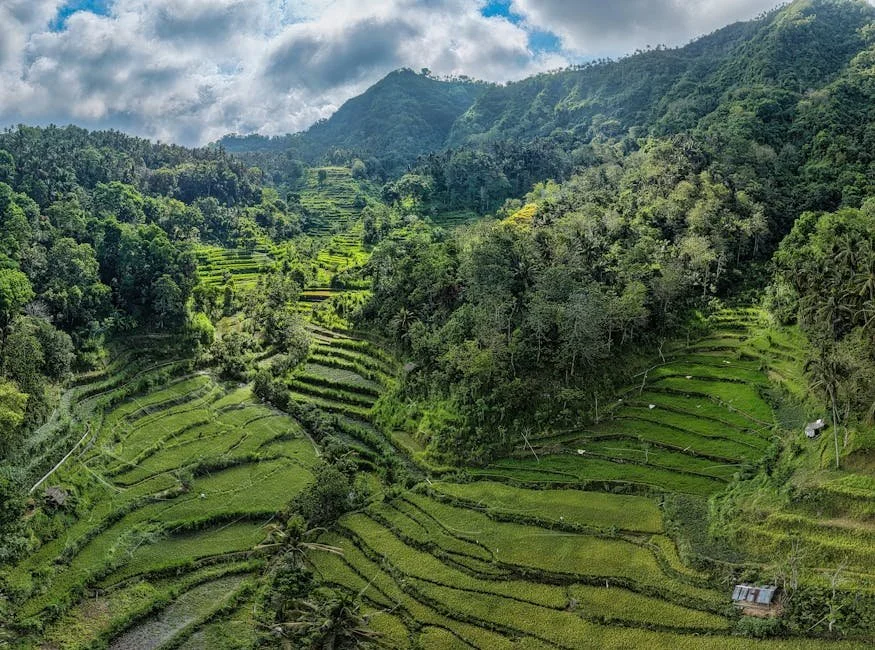
The chicken crossed the road in Ubud and nobody stopped.
Not the scooters, not the trucks, not the other chickens. Traffic in Bali operates on a system of mutual faith that I never fully understood but somehow survived.
The chicken also survived.
We both stood on opposite sides of Jalan Raya Ubud afterward looking vaguely traumatized, and I felt a real kinship with that bird.
I spent a month in Indonesia across two separate trips. Bali twice (the first time as a wide-eyed backpacker, the second as a slightly less wide-eyed person pretending to have a remote work routine), Yogyakarta once, the Gili Islands once. I’ve eaten enough nasi goreng to qualify for some kind of loyalty programme. I have opinions.
Here they are.
Ubud: spiritual, beautiful, and absolutely crawling with people doing yoga
Ubud is genuinely lovely. I want to say that upfront because what follows might sound like I’m complaining. I’m not. I’m observing.
The rice terraces at Tegallalang are real and they are spectacular. Green layered into green layered into green, carved into the hillside like someone designed the planet with a sense of drama.
Go at 7am.
By 9am there are so many people posing for photos on the little palm swings that the terraces become a backdrop to an influencer convention. Early morning, though, it’s just you and the farmers and the sound of water moving through the irrigation channels. Worth the alarm.
The Monkey Forest. Go. But understand what you’re signing up for. These are not cute monkeys. These are freelance criminals in fur coats. I watched one steal a woman’s sunglasses off her face with the confidence of someone who has done this before and will do it again. Put everything in a zipped bag. Don’t make eye contact. The forest itself is beautiful, massive old banyan trees and moss-covered stone temples, and you’ll enjoy it more if you’re not chasing a macaque who has your phone.
The yoga situation. Ubud has more yoga studios per square metre than anywhere I’ve been. The Yoga Barn is the famous one (big, well-run, good teachers, very international crowd). I did a class there because it felt mandatory. Was I transformed? No. Did I feel smug about it for approximately 36 hours? Yes. If yoga is your thing, Ubud will feel like you’ve come home. If it isn’t, you can skip it entirely and spend the time eating.
Eating in Ubud. Warung Biah Biah on Jalan Suweta does Balinese food the way Balinese people actually eat it: a plate of rice with small portions of everything around it, served on a banana leaf, for about 30,000 rupiah (roughly $2). The babi guling (suckling pig) at Ibu Oka near the palace is famous for a reason. There’s usually a queue. The queue moves fast. The pork is crackling-crispy and falls apart and comes with rice and sambal and the whole plate costs less than a coffee in Melbourne. I ate there three times in five days and I’d do it again.
Canggu: where the laptops live
If Ubud is spiritual Bali, Canggu is digital nomad Bali.
Every second building is a café with fast Wi-Fi and oat milk. The main road (Jalan Batu Bolong and the streets around it) is a strip of coworking spaces, surf shops, smoothie bowls, and people on MacBooks looking productive in a way that may or may not be real. I include myself in this.
The thing about Canggu is that it’s genuinely good infrastructure for getting work done in a tropical setting. Dojo Bali was the coworking space I used most. Fast internet, good chairs (this matters more than you think after week two of working from a beanbag), air conditioning, a pool. The monthly rate was reasonable. The sunset views from the rooftop of most buildings along the coast made the evening commute from desk to bar feel cinematic.
The sunsets in Canggu are NOT overhyped. Echo Beach at golden hour. Every single evening. The sky does things with colour that look edited but aren’t. Everyone sits on the sand with a Bintang and watches it happen. It’s one of those collective moments where strangers are all doing the same thing and nobody needs to talk about it.
The surf is good if you surf (I don’t, but I watched a lot of people who do). The traffic on the main road is genuinely terrible, especially around 5pm. The solution is the same as everywhere in Bali.
Which brings us to the scooters.
The scooter conversation
You will rent a scooter in Bali.
I know you think you might not. You might think you’ll use Grab (the ride-hailing app) or taxis or walk. And for the first two days, maybe you will. Then you’ll realise that a scooter costs 70,000 rupiah a day (about $4.50), that everything is 15-25 minutes apart by scooter and 45-90 minutes apart by car because of traffic, and that every single person around you, including grandmothers carrying groceries and families of four, is on one.
So you’ll rent one.
The traffic looks terrifying. It IS terrifying, for the first hour. Then something clicks. You understand the system. The system is: everyone is aware of everyone else, speed stays relatively low, eye contact and small hand gestures communicate intent, and the concept of “lane” is more of a suggestion than a rule. It works. Mostly. I dropped my scooter exactly once (stationary, in gravel, witnessed by approximately eight local men who all laughed and then helped me up). My ego recovered eventually.
Wear a helmet. Not all rental places give you a good one. If they hand you something that looks like it would protect a watermelon from light rain, ask for a different one.
Yogyakarta: the one most people skip (don’t)
I flew from Bali to Yogyakarta because someone in a hostel in Canggu told me it was the cultural heart of Java and that Borobudur was the single most impressive thing they’d seen in Southeast Asia.
They were not wrong.
Borobudur at dawn. You buy a sunrise ticket (which costs more than a regular ticket, fair enough), you arrive in the dark, and you walk up the levels of the temple as the sky changes colour. The temple is 9th century, Buddhist, absolutely enormous, and covered in detailed stone carvings that wrap around each level telling stories you could spend a week studying. At the top, the bell-shaped stupas emerge from the mist as the sun comes up, and for about ten minutes the whole thing is so improbable and so beautiful that your brain just goes quiet.
I stood there with my mouth slightly open like an idiot. Best sunrise of my life, and I say this as someone who’s done the Angkor Wat sunrise twice.
The city itself. Yogyakarta is scrappy and loud and charming. The Sultan’s Palace (Kraton) is still a functioning royal residence, and you can walk through parts of it with a guide for a small fee. Jalan Malioboro is the main tourist street, lined with batik shops and street food carts and becak (bicycle rickshaws) that will try to take you everywhere. The street food at Malioboro after dark is excellent: gudeg (jackfruit stew, sweet and dense, served with rice and chicken), bakpia (small pastries filled with mung bean, sold by the box and eaten compulsively), and sate ayam (chicken satay) from the carts along the road.
Getting around Yogya: Grab is the easiest option here. The city is smaller than Bali’s spread-out geography, so rides are cheap and short. The traffic is calmer than Bali. Not calm. Calmer.
The Gili Islands: no cars, no scooters, no problem
Three small islands off the northwest coast of Lombok (which is east of Bali, which is confusing if you look at a map for the first time). Fast boat from Bali takes about 2 hours, weather permitting.
Weather does not always permit.
I had a crossing where the boat was doing things on the waves that boats should not do, and half the passengers were green. The crew looked unbothered. I was bothered.
Gili Trawangan is the party island. Bars, clubs, backpackers, a strip of restaurants along the east coast. No motorised vehicles on the island, just bicycles and horse-drawn carts (cidomo). This sounds quaint and it is, until you realise the island is small enough to walk around in about ninety minutes.
Gili Air is the quieter one. This is where I stayed. Snorkeling straight off the beach on the east side. Actual reef, actual turtles. I snorkeled for about an hour on the first morning and saw three sea turtles just cruising past like they had appointments to keep. The water is warm and clear and you don’t need a boat trip to find good snorkeling, which makes it feel like cheating somehow.
Evenings on Gili Air are slow. You eat grilled fish at a beachfront restaurant, you watch the sunset over Bali’s volcano (Mount Agung, visible on clear evenings), you read a book. There is limited nightlife. This is the point.
The practical stuff
Flights between islands. Domestic flights in Indonesia are cheap if you book ahead. Bali to Yogyakarta was about $40 on Lion Air. The experience was fine. Indonesian domestic airlines have improved a lot. Book through Google Flights or Traveloka (the local booking app, sometimes has better prices).
Money. Indonesian rupiah. The exchange rate means everything has a lot of zeros and you will feel briefly like a millionaire when you withdraw cash. ATMs are everywhere in Bali and Yogyakarta. On the Gili Islands, ATMs exist but sometimes run out of cash, so bring enough from the mainland.
Food budget. This is one of the cheapest countries in Southeast Asia to eat well. A full meal at a warung (local restaurant) is 25,000-40,000 rupiah ($1.60-$2.60). A meal at a tourist-facing restaurant in Canggu is 80,000-150,000 rupiah ($5-$10). You can eat incredibly well on $15 a day if you eat where locals eat. And you should, because the food is better.
Data and connectivity. Bali has good 4G almost everywhere. Yogyakarta, same. The Gili Islands are spottier. If you need reliable data for work (or for the seventeen times a day you’ll need Google Maps), sort it out before you fly in. I’ve tested the main eSIM providers across Indonesia and compared the best options here with current pricing.
The version nobody posts
Indonesia is messy and contradictory and that’s what makes it interesting.
Bali is simultaneously a paradise and a construction site. Ubud is spiritual and commercial at the same time. Canggu is beautiful and overdeveloped. Yogyakarta is chaotic and deeply cultured. The Gili Islands are idyllic and the boat ride to get there is harrowing.
None of these things cancel each other out. They just coexist. You hold both versions at once and the place becomes more real because of it.
I stood on the top level of Borobudur at sunrise with mist in the valley below and thought: this is one of the most extraordinary things humans have ever built.
Then I walked down and a guy tried to sell me a keychain. Both things were true. Both things were Indonesia.
I’ll go back. Probably Flores next time, or Komodo. The country is so enormous that three trips barely scratches the surface. But even if you only do Bali and Yogyakarta and the Gilis, you’ll get it. You’ll understand why people keep coming back.
Pack light. Rent the scooter. Eat the street food. Watch out for the monkeys.
More from the region
Heading to Indonesia? Sort your eSIM first.
I've compared the main providers, checked the real pricing, and put together a guide on the best eSIM options for Indonesia.
Best eSIM for Indonesia →