New Zealand in a campervan: the South Island, the Milford Sound road, and why I'm not objective about this country
 Mika Soren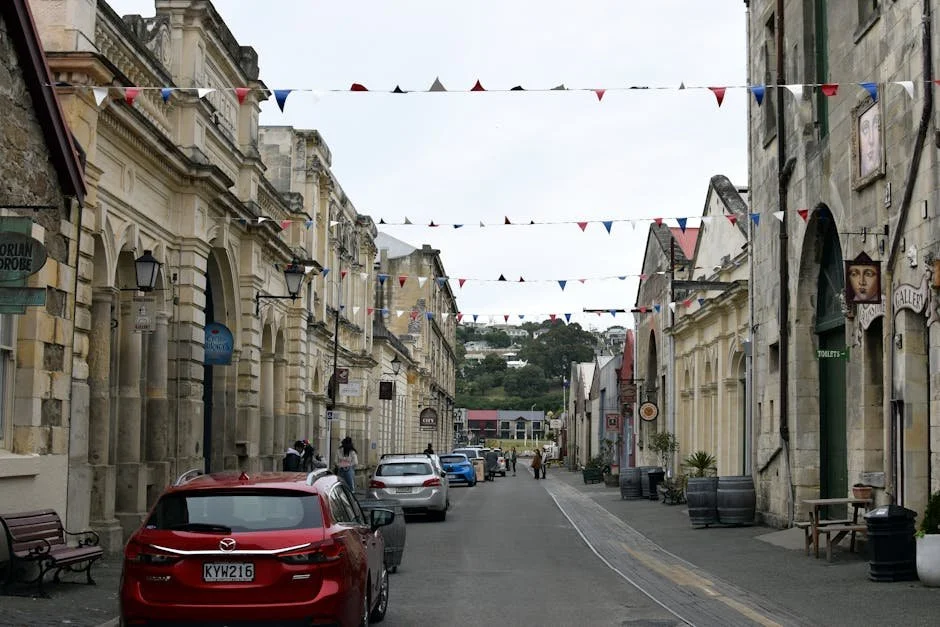
I need to declare something upfront: I’m not a neutral observer on New Zealand.
I’m Australian. I’ve been hearing about New Zealand my whole life from Australians who went skiing or on holiday and returned with the specific expression of someone who’s been somewhere they can’t quite explain.
The rivalry is real and the relationship is complicated and affectionate in the way siblings are complicated and affectionate.
I went finally, two weeks, South Island, a campervan that was generously described as “compact,” and I emerged unable to be objective.
It’s genuinely extraordinary. I’m sorry.
The campervan decision
This was the right call for New Zealand. I’ll defend it.
The South Island’s best landscapes are between the destinations, not in them. The drive from Christchurch to Queenstown via Lake Tekapo, the road between Wanaka and Haast, the Milford Sound Highway: these routes are the experience. Having somewhere to pull over and stay whenever the view demands it changes the trip entirely.
The campervans available range from “genuinely fine” to “you will be cold at night and accept this.” I was in the latter category and I’d rent the same size again because the bigger ones can’t go everywhere the smaller one can, and I went everywhere.
Freedom camping. Much of New Zealand allows freedom camping: setting up outside an official campsite, often for free, often with a view you wouldn’t believe. Rules have tightened in recent years (self-contained certification required in some areas, time limits in others) but it’s still available and it’s still one of the better ways to wake up in the country.
Christchurch: the rebuilt city
Christchurch is still rebuilding from the 2011 earthquakes. This is visible: empty lots where buildings were demolished, the container mall (Restart, originally a temporary solution that became permanent), the new Cardboard Cathedral built as a temporary replacement for the damaged ChristChurch Cathedral.
The city has a transitional character that’s produced some genuinely interesting things: street art that wouldn’t exist elsewhere, new buildings designed to replace what was lost with something better, a creative energy that comes from rebuilding.
The Botanic Gardens. Beautiful, free, English in character (because Christchurch is architecturally the most English city outside England). The conservatories, the rose garden, the river walk. A morning here.
Te Papa Ōtākata (Canterbury Museum). The natural history and cultural collection for the South Island: good Canterbury settlement history, good Antarctic exploration section (Scott and Shackleton departed from Lyttelton Harbour nearby). Free entry.
Lyttelton. The port town over the hill from Christchurch, accessible by a short drive through the tunnel or a longer road over the Port Hills. Farmers market on Saturday mornings. Good coffee and brunch, views over the volcanic harbour. Start your South Island road trip from here.
The inland route south: Lake Tekapo, Aoraki, Wanaka
This is the route. Drive it.
Lake Tekapo. The lake is turquoise (glacial flour, same as Canada) against a backdrop of the Ben Ohau Range. The small stone Church of the Good Shepherd on the shore is the most photographed building in New Zealand and in person it earns it: tiny, stone, built in 1935, with the lake and the mountains through the east window. Go at dawn or at sunset. The lupins in November-December (introduced, ecologically controversial, visually spectacular) cover the banks in purple.
Tekapo village at night. The whole Mackenzie Basin is a Dark Sky Reserve: no street lighting, no light pollution, the milky way visible on any clear night with the naked eye in a way that even non-stargazers find physically arresting. Walk away from the village ten minutes and look up.
Aoraki/Mount Cook National Park. The highest peak in New Zealand (3,724m) and the surrounding park: glaciers visible from the valley floor, the Hooker Valley walk (the best accessible walk in the park, 3 hours return, ends at a glacial lake with icebergs and the mountain above), the night sky from the Hermitage Hotel terrace.
Wanaka. Smaller than Queenstown, on a different lake, quieter. The famous lone tree in the lake (photographed from every angle). The Mount Iron walk for the view over the town and both Wanaka and Hawea lakes. Wanaka is where locals from Queenstown go when they want less Queenstown.
The Queenstown question
Queenstown is the adventure tourism capital of New Zealand and a legitimate question is whether it’s worth it.
Short answer: go, but don’t let it be your whole trip.
It’s expensive, it’s crowded in peak season, and the town itself is beautiful (Remarkables mountain range, the lake, the gondola up the hill for the view). The activities justify the prices for what they are: the bungy jump at Kawarau Bridge (the original commercial bungy jump, still running), skydiving over the lake, jet boating through the Shotover Canyon. One of these, whatever matches your threshold.
The Arrowtown day trip. Twenty minutes from Queenstown: a former gold rush town with a genuine 19th-century main street, autumn colour if you’re there in April-May that is not a tourist gimmick but actual trees turning gold and red along the Arrow River. The historic Chinese settlement (a quarter of the gold miners were Chinese; the preserved remains of the camp is one of the few intact records of that community).
The Milford Sound drive
The Milford Road from Te Anau to Milford Sound is 119km. Under normal circumstances (dry, daytime) it takes about 2.5 hours.
It took me 4 hours because I stopped constantly.
Beech forest that closes over the road. The Homer Tunnel blasted through solid rock (one-lane, traffic lights, the original tunnel started in 1935 by the Depression-era relief workers and still the only road access to Milford). The descent into the Milford basin with the peaks on all sides. Mitre Peak appearing above the fiord.
The sound itself. Technically a fiord (carved by glaciers, not a river), 16km long, the famous Mitre Peak on the north shore. Boat trips are the way to see it properly: rain actually makes it better (hundreds of temporary waterfalls appear on the cliff faces). Kayaking is the other option, slower, closer to the water, the scale is different from sea level.
Book the boat trip ahead in summer. Stay overnight in the tiny settlement or drive back in the evening (the return drive at dusk is its own experience, different light, different mood).
A few practical things
The weather. New Zealand weather is variable in the specific way that island weather with prevailing westerlies is variable: it can do four seasons in a day on the West Coast, it can be sunny and perfect for a week in the east. Pack layers and waterproof regardless of season. The weather changes; the landscapes are worth it regardless.
The driving. Left-hand drive (same as Australia). The roads outside cities are sometimes single-lane with passing bays, sometimes unsealed, sometimes genuinely dramatic mountain roads. Drive slower than instinct suggests, especially on mountain passes. Wildlife on roads at dawn and dusk (sheep, deer, the occasional kiwi bird in certain areas, always).
The Te Araroa trail. 3,000km hiking trail from Cape Reinga in the north to Bluff in the south. I didn’t do it but I met people doing sections of it at every campsite. The parts through Fiordland and the Nelson Lakes are the most spectacular.
Coverage in New Zealand’s cities (Auckland, Christchurch, Queenstown, Wellington) is good. The South Island’s remote roads, Fiordland, and the West Coast can have very limited to no signal. Download offline maps for any serious road tripping; it’s the responsible approach on the Milford Road where emergency services response times are significant. I’ve compared options in my eSIM guide for New Zealand.
I told you I wasn’t objective.
The light. The scale. The fact that you can drive for an hour and see nothing but mountains and a road and feel like the only person in the world.
Go and see whether you’re objective either.
More from the region
Heading to New Zealand? Sort your eSIM first.
I've compared the main providers, checked the real pricing, and put together a guide on the best eSIM options for New Zealand.
Best eSIM for New Zealand →