Norway is expensive and worth every krone: Bergen, the fjords, and the Lofoten Islands by road
 Mika Soren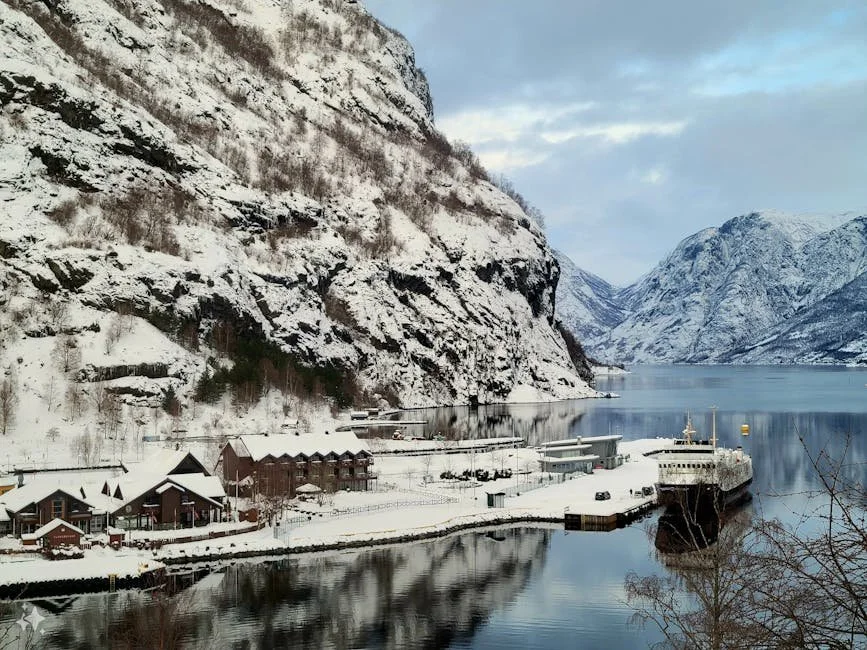
Let’s acknowledge the cost immediately.
Norway is the most expensive country I’ve traveled in. Not by a small margin. A beer in Oslo is roughly the same price as lunch in Southeast Asia. A hostel dorm costs what a private room costs elsewhere. A rental car, a ferry, a mountain lodge: the numbers require acceptance rather than resistance.
I went for two weeks. I spent significantly more than I would have spent anywhere else for the same amount of time. I would go back without hesitation.
The landscapes justify it completely.
Bergen: the gateway to the fjords
Bergen is a small city on the west coast of Norway, surrounded by seven mountains, receiving a significant amount of rain (the most in Norway, which is saying something), and possessing one of the more beautiful old harbours in Scandinavia.
Bryggen. The UNESCO-listed row of colourful wooden Hanseatic houses along the wharf: rebuilt after various fires, the current buildings mostly from the 18th century, the layout and some of the foundations medieval. The narrow wooden passages between the buildings, the craft shops inside. The fish market at the wharf end for the shrimp sandwiches.
The mountains. Seven mountains ring the city; the cable car (Fløibanen) goes up Mt. Fløyen in eight minutes and deposits you above the city: the view over the harbour, the islands, the fjords visible in the distance. Walk or run down rather than taking the cable car back.
The Bergen fish market. The outdoor market on the waterfront (and the covered market behind it): Norwegian salmon, king crab, shrimp by the bag, the fish cakes that are a Bergen tradition. Eat outside. Eat the shrimp with bread and mayonnaise. Don’t worry about the cost.
As a base. Bergen’s train connection to Oslo (7 hours through the mountain plateau, one of the most scenic train rides in Europe) and its position at the mouth of Sognefjord make it the obvious base for western Norway. Day trips and multi-day excursions into the fjord system from here.
The fjords: Sognefjord and Hardangerfjord
Norway’s fjords are the places you’ve seen in every Scandinavian tourism image: the narrow water channels between walls of rock rising hundreds of metres, the villages clustered on the few flat areas at the water’s edge, the waterfalls dropping from the clifftops.
Sognefjord. The longest fjord in Norway (204km), the deepest (1,300m). The Flåm Railway (a 20km descent from the mountain plateau down to sea level at the fjord, dramatic in the best way, book in advance) drops you into the village of Flåm.
The fjord cruise from there through the innermost branches (Nærøyfjord: the narrowest UNESCO-listed fjord, the walls close enough on both sides to feel enclosed).
The kayaking. Kayaking the Nærøyfjord from Gudvangen: guided tours available, a morning on the water with the walls above you and the silence and the occasional waterfall. The scale from sea level is different from the boat view.
Hardangerfjord. The fruit fjord: the orchards of apple and cherry blossom in May are the famous thing but the fjord itself (connected to the east by the Hardangervidda mountain plateau) is worth visiting in any season. The Vøringsfossen waterfall (Norway’s most visited, the highest in the country, accessible from the Hardangervidda plateau rim).
The Lofoten Islands: the Arctic archipelago
The Lofoten Islands are above the Arctic Circle, about three hours south of Tromsø by air or accessible by the Hurtigruten coastal ferry (the classic Norwegian coastal journey, worth doing for the scenery if you have the time). I drove from Bodø via the ferry to Moskenes and along the E10 the length of the islands.
The landscapes of Lofoten are entirely specific: dramatic peaks rising almost vertically from the sea, fishing villages (the rorbuer: traditional red fishermen’s cabins on stilts over the water) in the fjords.
The quality of light in the Arctic summer (24-hour daylight) or the long blue dusk of early September.
Reine. The most photographed village in Norway: the mountain reflection in the still fjord, the red rorbuer. Hike the Reinebringen trail (steep, chains to help on the exposed sections) for the view from above the village. The view is everything the photos promise and better for being earned.
Henningsvær. The village built on two small islands connected by bridge, the football pitch precariously located on a flat rock between the sea. The art galleries in the old fish-processing buildings. The best coffee in Lofoten (Kafe i Lofoten: good espresso in a building that was once a stockfish warehouse).
The stockfish. Lofoten has dried cod (stockfish) hanging on wooden racks from January to April: the traditional preservation method that made the islands wealthy for centuries and still exports to Italy and Nigeria and beyond. The racks are everywhere and the smell in drying season is distinctive.
Northern Lights in Lofoten. From September to March, the aurora is regularly visible. The dark sky and the fjord reflections make Lofoten one of the better aurora viewing locations in Norway. No guarantees (see: clouds), but the probability is high.
Practical things
The cost, again. Budget roughly 2-3x what you’d spend in Western Europe for accommodation and food in restaurants. Offset it: cook at your accommodation, eat at the grocery store (Norwegian supermarket sandwiches and salads are good), buy coffee from 7-Eleven (cheaper than the cafés). The landscape is free.
Driving in Norway. Excellent roads, mostly. Mountain passes close in winter; check conditions before driving the high plateau routes. The roads through Lofoten (the E10) are well-maintained and spectacular.
The outdoor culture (friluftsliv). The Norwegian concept of outdoor life: right to roam on unfenced land, the culture of hiking and skiing and camping on public land. The marked hiking trails (DNT network) cover the entire country.
Coverage along the Norwegian coast and in the cities is good. The mountain plateau (Hardangervidda, Jotunheimen) can have significant gaps. Remote parts of Lofoten also have limited signal. Download offline maps for any serious outdoor activity. I’ve compared eSIM options in my guide to Norway.
Norway costs what it costs.
The fjords, the Lofoten light, the quiet.
Budget accordingly and go.
More from the region
Heading to Norway? Sort your eSIM first.
I've compared the main providers, checked the real pricing, and put together a guide on the best eSIM options for Norway.
Best eSIM for Norway →