One bag travel: how I went from 23kg check-ins to a single 10L backpack (and why I'll never go back)
 Mika Soren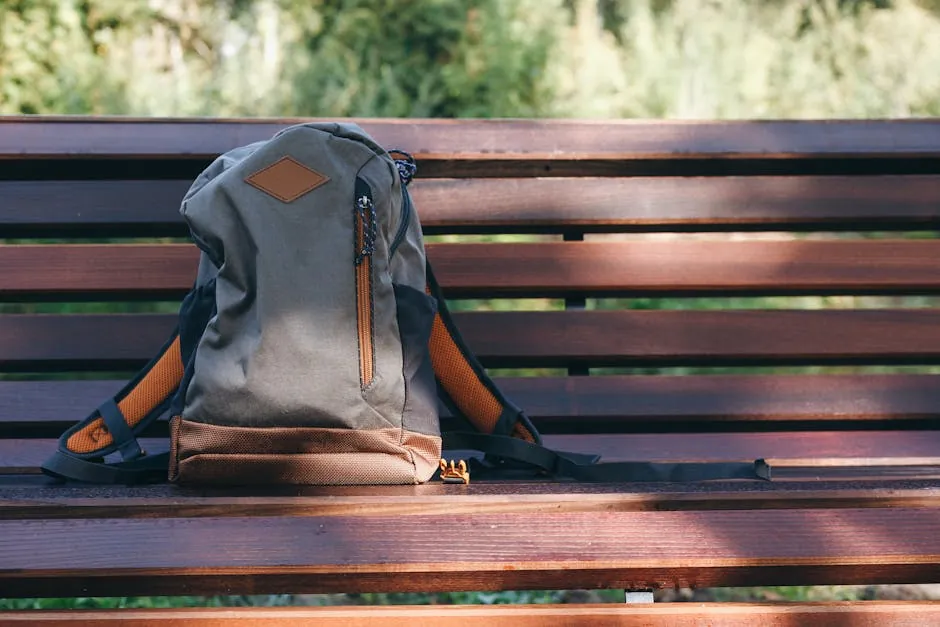
In 2019, I took my first real international trip with a 23kg checked bag, a 10kg carry-on, and a tote bag that was technically a third bag but I was telling myself didn’t count.
I packed for every scenario: formal events, cold weather, hot weather, rain, gym sessions, beach days, and also apparently a gala dinner I never actually attended. I spent 20 minutes at every hotel checkout doing the packing tetris. I lost two days of travel in total across that trip just to bag logistics.
I came back, read everything I could find about one bag travel, and repacked.
Three bags became one. 33kg became 7.5kg. I have not checked a bag since.
What one bag travel actually means
One bag travel means you travel with a single piece of luggage, carry-on size, that fits in the overhead locker or under the seat in front of you.
That’s it. No checked bag. No separate personal item (though technically most airlines allow one). One bag that contains your entire life for the duration of the trip.
For a weekend trip this sounds normal. For a two-week holiday it sounds ambitious. For full-time, indefinite travel, it sounds impossible until you do it and then it sounds like the only reasonable way to travel.
Why it’s dramatically better
You don’t pay baggage fees. Budget airline baggage fees are genuinely offensive. Ryanair and EasyJet can charge 40-60 EUR for a checked bag each way on a short-haul flight. On a year of frequent travel, this is hundreds of euros saved.
You get off the plane and leave. No waiting at baggage reclaim. No watching the carousel go around. No growing anxiety as everyone else retrieves their bags and yours hasn’t appeared yet. You land, deplane, and leave the airport. The time saving is real. The stress saving is larger.
You can’t lose your bag. Airlines lose checked luggage at a rate that is low in percentage terms and absolutely appalling in absolute terms. When it happens, you have nothing until they find it. When it’s all in the overhead locker, this possibility doesn’t exist.
You can move freely. Dragging a large suitcase through cobblestone streets, up metro stairs, through markets, and across muddy campsites is a specific kind of misery. A bag on your back that weighs under 8kg goes wherever you go without drama.
You stop accumulating. A fixed bag size is a built-in limit on what you can acquire. This, it turns out, is excellent for your finances and your ability to actually finish a trip with the same amount of stuff you started with.
The objections (and why they don’t hold up)
“But I can’t fit everything I need.”
You don’t need what you think you need. I say this as someone who packed a formal dress and a hair dryer for a camping trip. The number of scenarios where you’ll genuinely need the thing you think you’ll need is much lower than your packing list assumes. The question is not “could I ever need this?” The question is “would I replace it immediately if I didn’t have it, from the destination I’m going to?” If the answer is yes, you don’t need to bring it.
“But what about laundry?”
You do laundry. Everywhere has laundry: guesthouses, laundromats, hand-washing in your sink. Three to five days of clothing washed every few days is sufficient for indefinite travel. The clothing you pick matters: merino wool and quick-dry synthetics wash easily and dry overnight.
“But I’m going to different climates.”
Layers. The layering system (base layer, mid layer, shell layer) covers everything from tropical heat to alpine cold without requiring a different wardrobe for each climate. The same packable down jacket that goes in your bag for Iceland works as a pillow on overnight flights to Bali.
“But I need nice clothes.”
Define nice. A clean, well-fitting outfit in a neutral color is appropriate for almost every non-formal occasion. If you’re attending a specific event that requires specific attire, plan around that specifically rather than packing for it speculatively for a three-month trip.
The bag
40L or smaller. This is the size that fits in overhead lockers on most airlines including budget carriers. (Check Ryanair specifically if you’re flying with them: they have stricter size limits than other European carriers.)
The bags I’d actually recommend:
Osprey Farpoint 40 / Fairview 40: The standard recommendation for good reason. Clamshell opening, comfortable carry, external access to the main compartment without unpacking. The Fairview 40 is sized for women, the Farpoint 40 for men. Both excellent.
Peak Design Travel Backpack 45L: More expensive. Significantly better organization. The origami-style compression system is genuinely clever and the laptop access is excellent. Worth it if you’re doing this long-term.
Aer Travel Pack 3: Urban-focused design. Excellent laptop organization and day-bag functionality. Less outdoor-oriented than the Osprey.
What not to buy: Anything without a clamshell opening. Packing cubes are transformative for keeping a bag organized, but you need to be able to open the bag flat to use them effectively. Top-loading bags require unpacking to find anything. You will hate it by week two.
The packing system
Packing cubes are how you keep a single bag organized. Separate cubes for: tops, bottoms, underwear/socks, toiletries. Each cube compresses and stacks. You can find anything in 10 seconds. Eagle Creek and Peak Design both make excellent ones.
The clothing list:
This is what actually fits in a 40L bag alongside tech and toiletries:
- 3-4 t-shirts (2 casual, 1-2 slightly smarter)
- 2 pairs of trousers (1 smart-casual, 1 casual)
- 1 pair of shorts or a skirt if relevant
- 5-7 sets of underwear (merino wool if you can: dries overnight, resists odor)
- 5-7 pairs of socks (merino for the same reasons)
- 1 mid-layer (fleece or sweatshirt)
- 1 packable down jacket
- 1 rain jacket (packable)
- 2-3 shoes maximum (1 walking shoe, 1 sandal, 1 smart if needed)
The footwear is where bags gain weight fastest. Two pairs covers almost everything. Be ruthless.
Toiletries:
Solid toiletries (shampoo bars, solid conditioner, solid sunscreen) save liquid allowance for the things that don’t come in solid form. A clear toiletry bag under 1L handles the liquids.
Buy toiletries at destination rather than carrying full-size products from home. Sunscreen, shampoo, and shower gel exist everywhere and are cheaper than the airline fee for a full-size bottle.
Tech:
Laptop in the dedicated sleeve. One charger. One cable per device. Portable charger. Universal adaptor. Headphones. Phone. An eSIM means your phone works without a physical SIM swap at every border, which matters when your tech setup is already streamlined and you want to keep it that way. Full guide to managing connectivity while traveling here.
The weight target
Under 8kg total. This is the sweet spot: light enough to carry comfortably for long distances, doesn’t disqualify you from overhead locker on any airline.
Under 7kg is better. Under 6kg feels unreal until you do it.
I’m currently at 7.2kg for indefinite travel, and there are two or three things in the bag I’m genuinely considering removing. It becomes a game. A very satisfying, back-friendly game.
Starting your first one-bag trip
Pack everything you think you need. Then remove a third of it. Then remove another third.
The things you didn’t use in the first two weeks: they’re the things you didn’t need. Take note for next time.
The one-bag life takes two or three trips to calibrate. The first trip you’ll wish you had something you left behind. The second trip you’ll bring it and not use it. By the third trip your list is right.
The 23kg bag is sitting in my parents’ storage in Helsinki. I have not once, not for a single trip, wished I had it back.
More on safety & misc