Portugal at the right pace: Lisbon, Porto, and a week in the Alentejo I didn't plan
 Mika Soren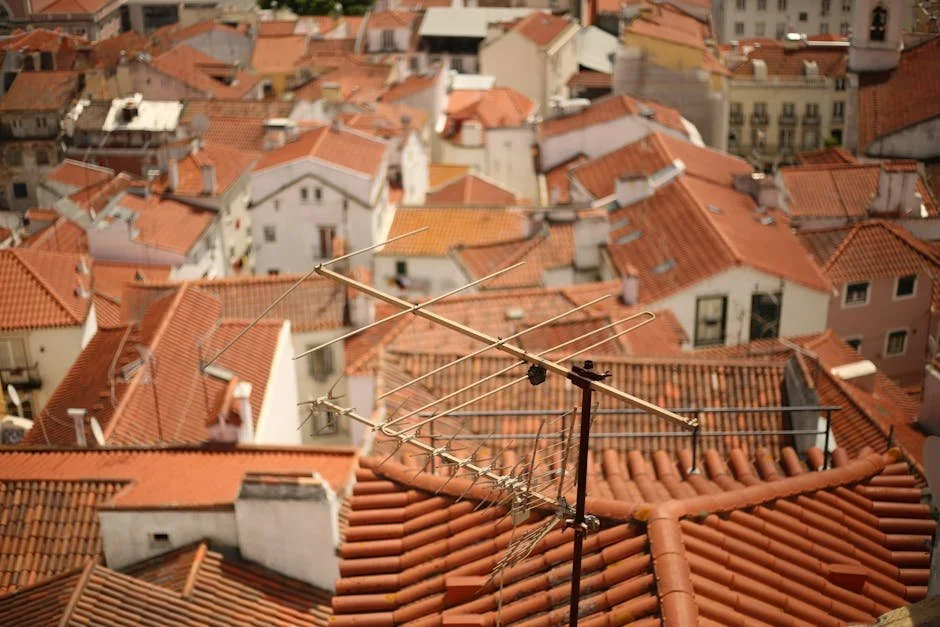
I missed the train to Porto because I was finishing a pastel de nata at a counter in Belém and decided the train could wait.
It was the right call. I stayed another day in Lisbon, caught an extra sunrise over the Tagus, and found a restaurant near Alfama that I’m still recommending to people two years later.
This is how Portugal goes. The country keeps presenting you with better reasons to stay than you had to leave.
Lisbon: the city that earns its reputation
Lisbon is having a cultural moment that has been going on for about a decade now and shows no particular signs of ending. The light, the hills, the tiles, the water, the food: it’s real, not manufactured for tourism, and the city has a genuine warmth that is harder to find in the more expensive Western European capitals.
The neighbourhoods. Alfama is the oldest and most atmospheric: steep alleys, miradouros (viewpoints), fado restaurants, cats everywhere, the São Jorge Castle on the hill. It’s touristy but the bones are real. Mouraria, adjacent, is where Lisbon’s oldest Moorish settlement was and where the city’s more recent immigrant communities have layered on top: Indian spice shops, Mozambican restaurants, the kind of street food density that rewards walking slowly.
Bairro Alto for evening: concentrated, loud, drinks spilling from bars onto the cobblestones. Príncipe Real for daytime: a bit more expensive, good coffee shops, antique shops, the botanical garden hidden behind a wall. Mouraria’s market (Intendente area) on Sunday mornings.
The tram 28. Historic yellow tram that runs through Alfama and Graça. Jammed with tourists in peak season (genuinely: the line to board is sometimes 45 minutes). Worth it once, or walk the same route on foot which is better anyway. Go early morning for the empty tram experience.
The azulejos (tiles). The blue-and-white tile tradition is everywhere: on building facades, inside palaces, at the National Tile Museum. The Tile Museum (Museu Nacional do Azulejo) in an old convent east of the centre has the best collection and is one of the better museums in the country. The painted panorama of Lisbon before the 1755 earthquake is extraordinary: the city as it was, in tiles, from a later century.
Belém. West along the waterfront: the Jerónimos Monastery (15th century, elaborate Manueline Gothic style, genuinely overwhelming in person), the Tower of Belém on the river, and the Pastéis de Belém café, open since 1837, where the original recipe for pastel de nata (custard tart in a flaky shell) is made and where the queue is always there and moves quickly. Eat them hot, standing at the counter, with cinnamon. This is non-negotiable.
What I ate in Lisbon: Petiscos (the Portuguese version of tapas) at the wine bars near Príncipe Real. Bacalhau (salt cod, prepared in allegedly 365 different ways, the real number is probably 100, all of them good). Bifanas (pork in a roll) from the old café counters near the Baixa. Grilled fish at any decent restaurant near the water. A full arroz de marisco (seafood rice, loose and unctuos) at a restaurant someone local recommended in a neighbourhood I’d never have found myself.
Sintra: take the morning train
Thirty minutes by train from Lisbon’s Rossio station, Sintra is the day trip that actually deserves the hype.
The mountain above the town is covered in palaces: the fairytale Pena Palace (yellow and red, perched on rock, completely surreal in the morning mist), the Moorish castle ruins above it, the Quinta da Regaleira (a 20th-century estate with an initiatory well that spirals underground and a garden full of esoteric symbols).
Book Pena Palace ahead. Go on a weekday. Be there when it opens.
The town itself: the old centre, the pastry shops, the market on the main road selling cork and ceramics. Have lunch somewhere with a view and take the late afternoon train back.
Porto: the one you stay longer in than planned
Porto is smaller than Lisbon, rougher around the edges (genuinely: parts of it are genuinely crumbling in a way that’s either charming or melancholy depending on your mood), and the food is better.
The Ribeira and Cais da Ribeira. The old waterfront on the Douro River: colourful houses on the steep banks, the Dom Luís I bridge, the rabelo boats (the flat-bottomed boats that transported port wine barrels down the river). Touristy at the waterfront level; climb up into the streets above it and the tourist concentration drops immediately.
Vila Nova de Gaia (across the bridge). The port wine lodges, where the wine ages in barrels in the caves. Every major port house offers tastings: Graham’s, Taylor’s, Sandeman, Calem. Book a cellar tour for one of them (Graham’s has the best setting and the most knowledgeable guides in my experience) and taste your way through tawny, ruby, and LBV. Buy the bottle you’d never find at home.
The Bolhão Market. The renovated covered market in the centre, reopened after years of restoration. Fruit and vegetables and flowers and cheese and cured meats in a beautiful iron-and-glass 19th-century structure. Have a café com leite and a torrada (thick grilled toast with butter) at the counter inside.
What I ate in Porto: Francesinha (the Porto sandwich: layers of cured meat and sausage and ham and a sausage, covered with cheese, doused in a tomato-beer sauce, topped with a fried egg, eaten with chips, absolutely not what you came for and absolutely worth having once). Bacalhau com natas (salt cod with cream) at a traditional restaurant that’s been serving the same recipe since the 1970s. Pastel de chaves at the pastry counter of any café.
The Alentejo: the accidental week
I missed the train and stayed a day. Then took a bus to Évora instead of the next Lisbon train and ended up spending a week in the Alentejo wine and cork region.
Évora. A walled medieval city in the middle of the plains: Roman temple in the main square, a cathedral, and the Chapel of Bones (the Capelo dos Ossos, whose walls are entirely lined with the remains of 5,000 monks, with a sign at the entrance reading “We bones here await yours”).
The bones are real. The impact is real. Go.
The wine. Alentejo produces some of Portugal’s best red wine: Alicante Bouschet, Aragonez, Trincadeira. The quintas (estates) offer tastings, often informal, sometimes with just the winemaker and a table outside. The wine at the local restaurants is invariably better and cheaper than anything you’d find in Lisbon at the same quality.
The landscape. Plains, cork oak forests, wheat fields, the occasional walled town on a hill. Slower than the coast. More Portuguese in character.
Practical things
The hills. Lisbon and Porto are both built on steep hills. The uphill walking is constant and real. Good shoes are not a suggestion. The funiculars (elevadors) exist for a reason.
Dining times. Portugal eats late: lunch from 1pm, dinner from 8pm. Showing up at 6:30pm and finding nothing open is your fault.
Portuguese people are not Spanish people. I mention this because visitors coming from Spain sometimes apply the same cultural expectations and are confused. The cultures are adjacent and distinct. The food is different. The music (fado) is nothing like flamenco. The temperament is quieter.
The digital nomad visa. Portugal introduced a D8 digital nomad visa in 2022 that allows remote workers to live there. It’s changed the demographic of Lisbon significantly. Worth knowing if you’re considering a longer stay.
Coverage across Lisbon, Porto, and the Algarve coast is excellent. Rural Alentejo can have sparser signal on back roads. I’ve compared eSIM options and written up what works best in Portugal for the current year.
Portugal is the country you recommend to everyone and then feel slightly territorial about when everyone starts going.
Go while it still surprises you.
More from the region
Heading to Portugal? Sort your eSIM first.
I've compared the main providers, checked the real pricing, and put together a guide on the best eSIM options for Portugal.
Best eSIM for Portugal →