Saudi Arabia opened to tourism and I went to see what was there: AlUla, Riyadh, and the desert I didn't expect
 Mika Soren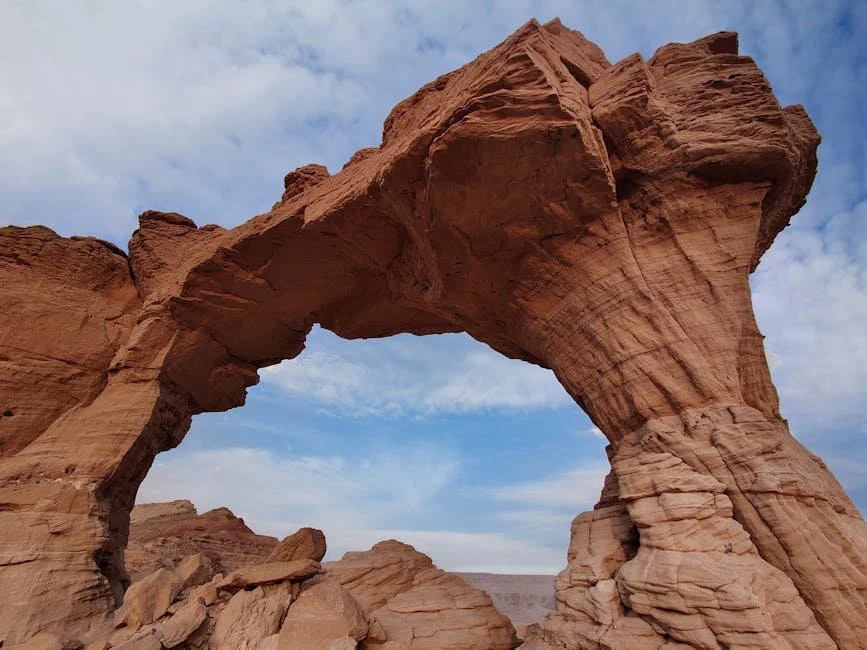
Saudi Arabia started issuing tourist visas in September 2019.
I went in 2023. The country has been changing rapidly and I want to be clear upfront: some of what I experienced may be different now, and my experience as a solo female traveler was shaped by those changes in ways I’ll describe honestly.
AlUla: the Petra you haven’t heard of
AlUla is in the northwest of Saudi Arabia, in a canyon valley with sandstone rock formations and the remains of the ancient Nabataean city of Hegra (also called Mada’in Saleh). The Nabataeans are best known for Petra in Jordan; Hegra is their second city, larger in area than Petra, less excavated, and far less visited.
The rock-cut tombs at Hegra: massive facades carved directly into sandstone outcrops, some over 20 metres high, the inscriptions in Nabataean script above the tomb entrances still legible. The site is enormous (over 100 monumental tombs spread across a desert valley) and you visit by vehicle with a guide.
The isolation and the scale are what set it apart from Petra.
AlUla old town. An abandoned mud-brick city, inhabited until the 1980s when residents moved to the modern town below. The lanes of the old city, the mosque, the market structures: a ghost city preserved by the dry air.
The rock formations. The Elephant Rock (a sandstone formation that looks exactly like its name), the sandstone canyon that turns orange at sunset. The Ashar Arts Festival has brought installations into the desert landscape that interact with the rock formations in unexpectedly interesting ways.
The Winter at Tantora festival. October to March, AlUla hosts performances and events in a natural rock amphitheatre. The season when the temperature is comfortable (15-25°C).
Riyadh: old and new in the same afternoon
The capital: a city that has remade itself continuously since the oil wealth arrived in the 1970s and is in the middle of another transformation now.
Diriyah. The UNESCO-listed birthplace of the first Saudi state: a mud-brick citadel complex on the edge of Wadi Hanifa, the fortified capital of the Al Saud family before Riyadh. The At-Turaif district is the restored historic core: the palaces and mosques of the 18th and 19th centuries, the labyrinth of earthen walls. Very new restoration (much of it completed in 2022-2024) but historically significant.
The Kingdom Centre Tower. The 300-metre skyscraper with the skybridge at the top (an observation deck connecting the two towers at the 99th floor). The view over Riyadh: a city of largely low-rise development spreading to the horizon with the gleaming new towers clustered around the King Abdullah Financial District.
The Murabba Historical Palace. The residence of King Abdulaziz, now a museum: the original palace of the founder of modern Saudi Arabia, the rooms preserved as they were, the scale modest by comparison to what came after.
The food: Saudi cuisine is less internationally known than it deserves. Kabsa (fragrant rice with meat, spiced with cinnamon, black lime, cloves, and dried fruits) is the national dish and at its best in the rice restaurants near the old districts. Jareesh (crushed wheat cooked with meat and vegetables, slow and filling).
The dates: Saudi dates are some of the finest available and sold at roadside stalls in dozens of varieties.
Practical things
The visa. Saudi Arabia offers an e-visa for most nationalities through the official Saudi tourism website. Processing is typically 24-72 hours.
The rules. Saudi Arabia has specific social rules that differ from Western norms. Many of the most restrictive rules have been relaxed in recent years (women no longer require a male guardian’s permission for most activities, mixed-gender public events are now permitted, driving for women was permitted from 2018). The rules around alcohol (not permitted), dress (modesty expected, abayas no longer legally required for foreign women but respectful dress is appropriate), and public behaviour (no public affection) are real and apply to visitors.
The pace of change. The country is changing faster than guidebooks can keep up with. Specific venues, rules, and experiences may have shifted from what I describe. Check recent traveler reports before going.
The heat. June through September: extreme (45°C+ in Riyadh and the interior). The comfortable travel season is October-March.
Coverage in Riyadh and the major cities is excellent. AlUla has coverage in the main areas; the desert approaches have limited signal. I’ve put together an eSIM guide for Saudi Arabia with current coverage information.
Saudi Arabia is a country in visible transformation.
What’s there now is interesting. What will be there in five years will be different.
This is a place where going now is the version of going.
More from the region
Heading to Saudi Arabia? Sort your eSIM first.
I've compared the main providers, checked the real pricing, and put together a guide on the best eSIM options for Saudi Arabia.
Best eSIM for Saudi Arabia →