South Korea at full speed: Seoul, Busan, and the train between them
 Mika Soren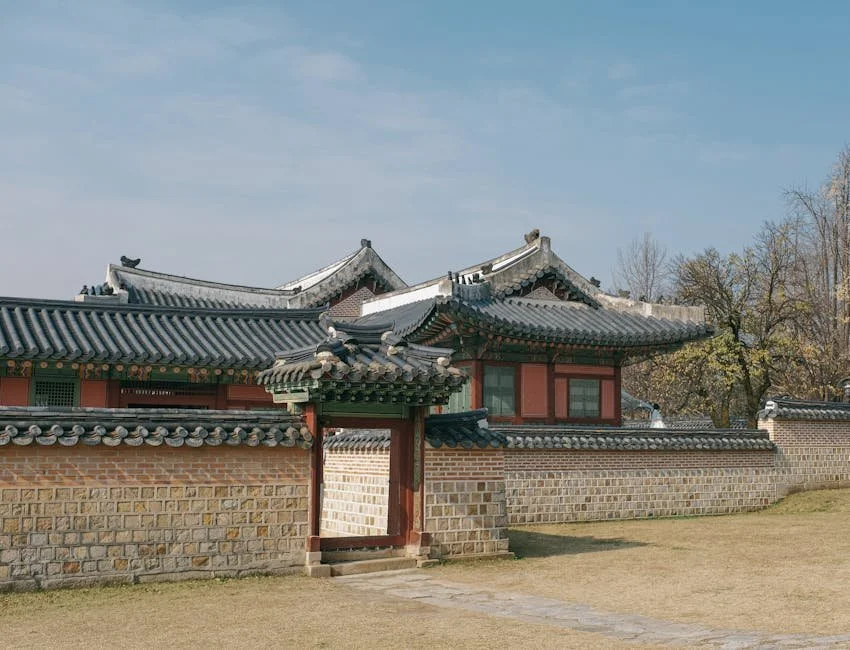
South Korea operates at a pace I found slightly exhausting for the first three days and completely addictive after that.
Everything works. Faster than expected, cheaper than expected, more beautiful than expected.
The food is extraordinary. The infrastructure is perfect. The coffee shops are open at midnight and serve elaborate iced drinks to people who are still working on laptops at midnight, which I respect.
I went for three weeks. I’d go back for two months if I could organise the visa.
Seoul: the city that keeps revealing itself
Seoul is the one city I’d compare to Tokyo in terms of the feeling it gives you: enormous, efficient, deep, repeatedly better than you expect at each level you go down.
The Hanok neighbourhoods. Bukchon Hanok Village (between Gyeongbokgung and Changdeokgung palaces) and Ikseon-dong: traditional Korean hanok houses, narrow stone-paved alleys, very photogenic, genuinely good for walking. Bukchon is the famous one and gets crowded by mid-morning; go at 7am. Ikseon-dong is smaller and has been converted into cafés and small restaurants and feels more lived-in.
The palaces. Gyeongbokgung is the main one: restored Joseon dynasty palace, enormous grounds, the changing of the guard ceremony at 10am and 2pm is worth catching. Changdeokgung to the east has the Secret Garden (Huwon) in the back, a series of pavilions and lotus ponds in a forested hillside. The Secret Garden requires a separate ticket and timed entry. It’s the better of the two to spend time in.
Hongdae and Sinchon. University districts on the west side: late nights, street performances, affordable food, the kind of energy that only exists near a campus. The street performances in Hongdae Square on weekends (anything from kpop cover dances to indie bands to busking comedians). The record shops and vintage clothing on the small streets east of the park.
Dongdaemun Design Plaza (DDP). The Zaha Hadid-designed building that looks like a spaceship has landed on the east side of the city. The building is extraordinary. The nearby Dongdaemun Market is open from around 8pm to 6am (genuinely, a night market that operates through the night) and is primarily wholesale fabric and clothing but has enough food stalls and general market energy to be worth visiting at 1am just for the experience.
What I ate in Seoul:
Korean fried chicken (chimaek: chicken plus maekju/beer, eaten at a pojangmacha street stall after 10pm, a cultural institution). Bibimbap at Gwangjang Market (the oldest covered market in Seoul, has been running since 1905, the bindaetteok mung bean pancakes are the famous thing but the bibimbap stalls are excellent). Tteokbokki (spicy rice cakes) from any street stall, 3,000 won, a specific kind of sweet-spicy-starchy satisfaction. Korean barbecue (KBBQ) at a proper local place in Mapo-gu where you grill yourself: samgyeopsal (pork belly), galbi (short rib), wrap it in perilla leaves with garlic and doenjang paste. Donut peach bingsu (shaved ice dessert) from a specialist café in summer, the best expression of the genre.
The Han River. The river running through the middle of Seoul has parks along both banks with bikes for rent, picnic culture (convenience store chicken and beer on a blanket by the river is a Seoul institution), and a riverside atmosphere that softens the city’s pace considerably. Go on a weekend afternoon.
The DMZ
I need to mention this because it’s unlike anything else accessible from any other country.
The Demilitarized Zone between South and North Korea is about an hour north of Seoul and accessible via organised tours. You go to the Joint Security Area (JSA) where South and North Korean soldiers face each other across the concrete line, the blue UN buildings sitting in the middle. It is genuinely strange: walking into a UN conference room where you’re standing simultaneously in North and South Korea, looking at a country you cannot normally enter, guards who do not move.
The history context before visiting helps enormously. Read about the Korean War first. Go with a tour that takes it seriously rather than one treating it as a novelty.
Busan: the city I didn’t expect to love more than Seoul
Busan, on the southeast coast, four hours from Seoul on the KTX high-speed train. I gave it five days because that’s what the logistics allowed. I needed eight.
Jagalchi Fish Market. Open from 5am. The largest fish market in Korea: five floors of a building plus open-air stalls along the waterfront, the catch from the night’s fishing arriving and being sorted and sold and cooked to order. Have a breakfast of grilled mackerel (godeungeo gui) and miso soup and rice with the market workers at 6am at the stalls on the ground floor. This is one of the better meals available at dawn anywhere I’ve been.
Gamcheon Culture Village. The hillside neighbourhood above the port, built by refugees during the Korean War into a labyrinth of tiny houses painted in bright colours, now a functioning artists’ community with studios and small cafés and murals everywhere. The comparison to Santorini gets made.
It’s better than Santorini because it’s lived-in rather than staged.
Walk up the stairs from the bottom, get lost in the alleys, find the rooftop viewpoints.
Haeundae Beach. The main beach, famous in Korea, and for good reason: a beautiful long sandy bay with the city behind it. In summer it’s extremely crowded (Korean beach culture involves packed parasols for the full length of the beach). In shoulder season (April, October) you have it nearly to yourself. The Dongbaekseom island attached to the east end of the beach has a park with views back across the bay.
Haedong Yonggungsa Temple. A Buddhist temple built on rocky cliffs above the sea, about 20 minutes from the centre. Not the oldest or most famous temple in Korea but one of the most dramatic settings: the sound of the surf, the incense, the red-painted wooden structures against grey rock and open ocean.
Temple stay
I spent two nights at a temple in the mountains of Gangwon Province. Woke at 3am for the morning prayer ceremony. Ate vegetarian temple food (simple, seasonal, surprisingly good) in silence. Participated in the 108 prostrations (you count to 108 bows, it takes about 30 minutes, your legs know about it the next day).
It was one of the more useful two-day pauses I’ve taken in three years of continuous travel. Highly recommend doing it once, particularly in the middle of a busy trip.
The Korea Tourism Organization has a Temple Stay program with organised booking for about 40 temples across the country.
A few practical things
T-money card. Like Tokyo’s Suica or London’s Oyster: a transport card that covers metro, buses, taxis, and convenience stores. Get one at the airport, load it with 30,000 won to start.
The convenience stores (GS25, CU, 7-Eleven). Even better than Japan’s, which I didn’t think possible. The GS25 and CU stores have better prepared food, better ramyeon, better snacks, better everything. Eating from convenience stores in Korea is not a compromise. It’s an option you choose because it’s genuinely good and costs 4,000 won.
Korean skincare. You will be confronted with it everywhere. Myeongdong in Seoul is the epicentre. Whether you’re interested in skincare or not, the culture around it (multi-step routines, fermented ingredients, SPF in everything) produces visibly different skin among the people who practise it. The pharmacies and beauty shops in Myeongdong let you try things before buying.
Language gap. Korean (Hangul) is the script everywhere. It is actually not hard to learn to read (around a week of practice for the alphabet), and being able to phonetically read menus is genuinely useful. Google Translate’s camera function works excellently for menus. Most young Koreans in cities have functional English.
Coverage in South Korea is excellent. Korea has some of the fastest mobile networks in the world. Seoul and Busan have full 5G coverage. Rural and mountain areas have good 4G. An eSIM is an easy solution for most visits. I’ve compared the main options in my guide to eSIMs for South Korea with current pricing.
South Korea operates at a different speed from most places. It is worth matching that speed for a while.
Keep up. It’s worth it.
More from the region
Heading to South Korea? Sort your eSIM first.
I've compared the main providers, checked the real pricing, and put together a guide on the best eSIM options for South Korea.
Best eSIM for South Korea →