Barcelona, Madrid, and a month in Andalusia: what I actually learned about Spain
 Mika Soren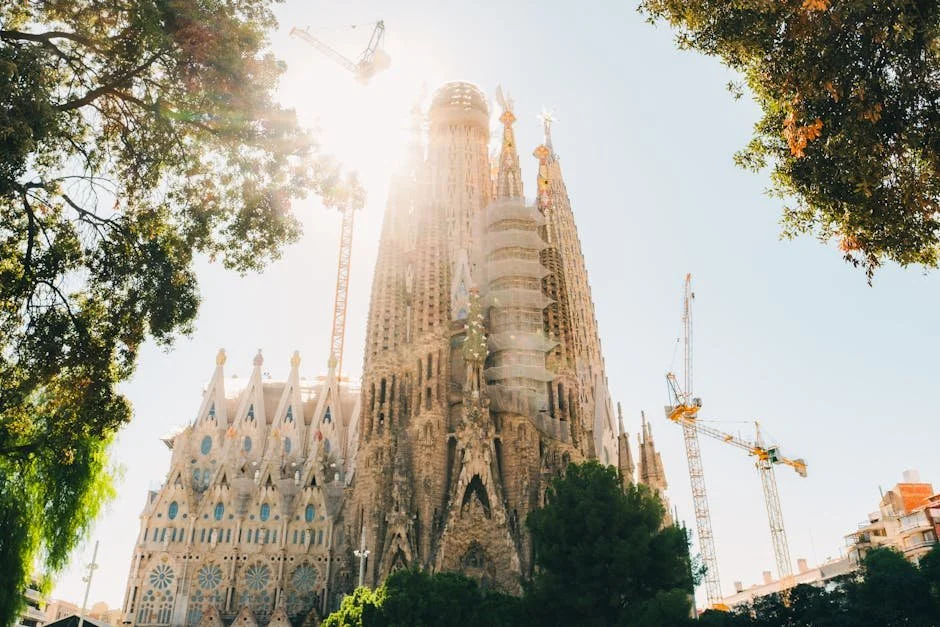
The Madrid trip was not planned.
I’d booked a connecting flight through Barajas with a six-hour layover and figured I’d sit in the terminal, catch up on emails, maybe find a decent sandwich. Instead, I left my bag at the airport storage desk, took the metro into the city centre, and didn’t come back for eight days.
I missed my original flight. I rebooked.
I do not regret this in any way.
Madrid does that. It’s one of those cities that doesn’t particularly care whether you’ve planned to be there or not. It just absorbs you into the rhythm of it and suddenly you’re eating dinner at 10:30pm because that’s completely normal here and you’ve fully lost any concept of the time you used to keep.
Three Spain trips now. Each one different. Each one, in retrospect, exactly the right length for what it was.
Barcelona: the second trip is the real one
I’m going to say something that will upset people who visited Barcelona once and decided they knew it: the first trip to Barcelona is a write-off.
Not because it’s bad. Because you spend the entire time doing the things you’re supposed to do. Las Ramblas (crowded, skip it after two minutes). Sagrada Família (genuinely worth it, book weeks ahead and don’t skip the towers). Park Güell (get the free section outside the ticketed zone at 7am and you’ll have it almost to yourself). You do all of that and you think you’ve seen Barcelona and you have seen Barcelona, but you haven’t really been there yet.
The second trip is when you slow down.
The neighbourhood that changed things for me: Gràcia. Up the hill from the tourist drag, quieter, full of small squares with chairs outside where people sit and do absolutely nothing for long stretches of time. I could write an essay about the squares of Gràcia. Plaça del Sol, Plaça de la Vila de Gràcia. Get a coffee, sit for an hour, watch the neighbourhood happen around you. This is not a tip. This is a requirement.
Where I actually ate: Skip the seafood paella on Las Ramblas (it will be mediocre and expensive and you will eat it with 40 other tourists). The good food in Barcelona is in the Eixample and Gràcia. Bar Calders on Carrer del Parlament in Sant Antoni is the place I recommend to everyone going to Barcelona right now. Unpretentious, packed by 9pm, the kind of pintxos that make you go quiet for a moment. Get there when it opens or stand outside and wait.
The Boqueria problem. La Boqueria market is beautiful and almost entirely tourist-facing now. The produce stalls are real but you’ll be shoulder-to-shoulder with tour groups. Go for the visual experience. Buy the expensive fruit smoothie as a tax on the experience. For actual market shopping, Mercat de Santa Caterina in El Born is where locals actually go.
Madrid: the accidental week that became a permanent reference point
So. The eight days.
I’d heard Madrid was for art and culture and that Barcelona was more fun. This is a thing people say and it is, I think, based on nothing. Madrid is extremely fun. It just has a different kind of fun. It’s louder. Later. More willing to argue about things.
The Malasaña mornings. I was staying near Malasaña, which is the neighbourhood in Madrid where the bars close very late and the coffee shops open very early and the gap between those two activities is not always filled with sleep. The coffee culture there is worth the price of the flight alone. Small dark cafés, good espresso, newspapers on the counter, someone’s dog asleep near the door.
El Rastro on Sunday morning. This is Madrid’s Sunday flea market and it is ENORMOUS. It takes over the entire La Latina neighbourhood. Vintage clothes, old books, furniture, questionable antiques, very good street food, an entire stall dedicated to old ceramic tiles. Go early, before 10am, before it’s completely packed. Buy something you don’t need. Eat a churro from a paper bag while walking.
The Prado, but do it properly. Most people give the Prado two hours. It needs four. Go first thing when it opens and go straight to the Velázquez room on the first floor. Las Meninas is the most extraordinary painting I have ever stood in front of. I spent 25 minutes in front of it.
I’m not an art person. It didn’t matter.
Where I ate: Mercado de San Miguel is the touristy one but it’s genuinely good as a spot to graze (just accept the prices). For actual dinner, head to La Latina on a Sunday after El Rastro, when every tapas bar on Calle de la Cava Baja has spilled outside onto the street. Order the croquetas everywhere you go. In Madrid specifically, the croquetas are always right.
Andalusia: thirty days, a rented room, and the best data signal I didn’t expect
This was the work trip.
I needed a month somewhere quiet with decent internet. A friend mentioned a village in the hills outside Málaga. I looked it up, found a room in a converted house for a price that made me feel slightly guilty, and booked it on the same day.
What I did not expect: the 4G signal in a small Andalusian village was completely solid.
Faster than my flat in Melbourne, which I choose to find funny rather than embarrassing.
Málaga itself. People treat Málaga as the airport for the Costa del Sol and leave immediately. This is a mistake. The old town is genuinely lovely and almost completely un-overrun by tourists in a way that Seville and Granada are not. The Picasso Museum is excellent (Picasso was born here; the museum covers it well). The fish is extraordinary. Eat at the beach chiringuitos: grilled sardines on skewers, right on the sand, €2 each, eat them with your hands, nobody is watching.
Seville: the one I didn’t see coming. I took a day trip to Seville and stayed for three nights. The old city is one of the most beautiful I’ve been in anywhere, and I’ve been in a lot of old cities. The Alcázar palace (book ahead, don’t skip) is the kind of place that makes you feel slightly cheated by everywhere else you’ve ever been. The Barrio Santa Cruz is full of narrow alleyways with tilework and orange trees and it’s legitimately like walking through a film set, except it’s been there for about five hundred years and the film set was copying it.
The Alhambra from Granada. I drove up to Granada for the Alhambra and I’ll say this plainly: book the Alhambra tickets as far in advance as humanly possible. We’re talking months. The day tickets sell out almost immediately and the place is extraordinary. If you can get a dawn or late afternoon slot, the light does something to the tilework that I’ll think about for the rest of my life.
The food rhythm in Andalusia. Lunch is the main event. A proper long lunch starting at 2pm, two courses, wine included in the price at most places. This is how everyone eats. Lean in. Rearrange your afternoon accordingly. Order the gazpacho everywhere you go in summer. The gazpacho in Andalusia is not the watery stuff you’ve had elsewhere. It’s thick and cold and smells like actual tomatoes.
A few things worth knowing
Siesta is real, plan around it. Not everywhere, not every business. But small shops, some restaurants, certain offices: closed between roughly 2pm and 5pm. Don’t plan your errands for early afternoon. Plan your lunch for early afternoon instead, which is the correct use of that time anyway.
Learn to order tapas correctly. In most of Andalusia, tapas come free with drinks. You order a beer, a plate appears. Order another beer, another plate appears. You don’t choose what comes. Just drink at the right pace and eat whatever arrives.
This is one of the best systems I’ve ever encountered and I fully support it.
The trains between cities are genuinely excellent. Málaga to Seville: 2 hours. Madrid to Barcelona: 2.5 hours. The AVE high-speed network covers most of the main tourist circuit efficiently. Rent a car only if you’re going to small towns the train doesn’t reach.
Sunscreen in Andalusia is not optional. The sun in southern Spain in summer is a completely different entity from the sun in northern Europe. I say this as someone who grew up in Australia and STILL managed to burn in Málaga in June because I thought I knew what sun was. I did not know what sun was.
On staying connected
Mobile coverage across Barcelona, Madrid, and the main Andalusian cities is excellent. Even smaller towns along the coast held signal well enough for video calls in my experience. The village I was working from outside Málaga had reliable 4G throughout my stay.
Before any trip to Spain, it’s worth sorting your data plan in advance rather than relying on roaming or hunting for SIM cards on arrival. I’ve tested five eSIM providers for Spain and put together a full breakdown of which ones actually work there with real 2026 pricing.
I keep going back to Spain because it keeps being different.
Barcelona on a slow Tuesday morning in Gràcia is a completely different experience from Seville at 11pm during a street festival. Madrid on an accidental layover is nothing like a month in the hills outside Málaga watching the light change over olive groves in the late afternoon.
The country rewards staying long and slowing down. The food rewards it especially.
Miss your connecting flight if you have to. It’s worth it.
More from the region
Heading to Spain? Sort your eSIM first.
I've compared the main providers, checked the real pricing, and put together a guide on the best eSIM options for Spain.
Best eSIM for Spain →