Switzerland is expensive in a way that is almost impressive and worth it anyway: Zürich, the Bernese Oberland, and trains that run exactly on time
 Mika Soren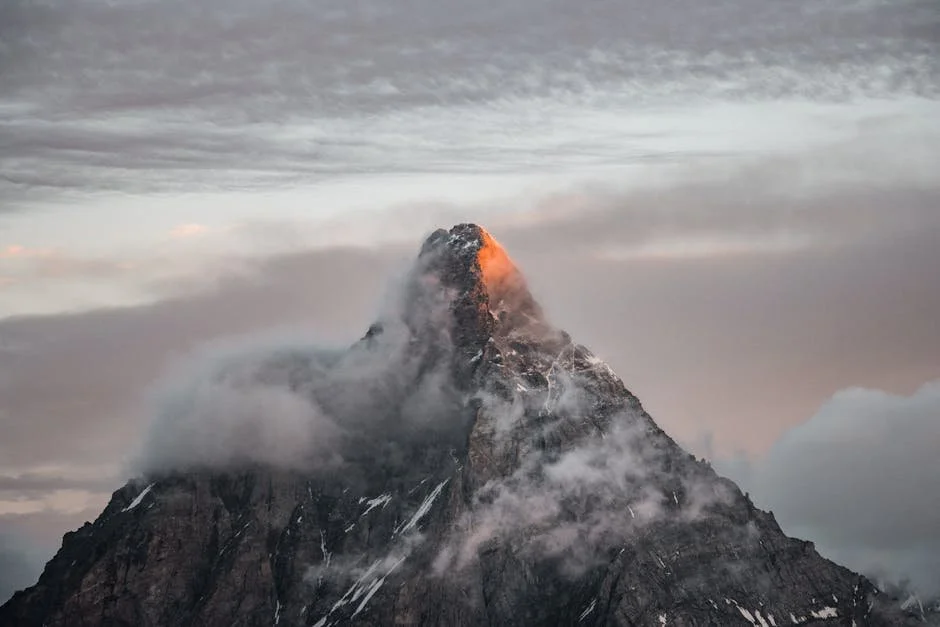
Switzerland is the most expensive country in Europe.
Not by a small amount. A coffee in Zürich costs what lunch costs in Central Europe. A bed in a decent hostel costs what a private room costs in Paris. A day pass on the mountain trains requires a pause before you tap the card.
I went anyway. I went back. The landscape is not an exaggeration.
Zürich: the financial city with the old town
Zürich has a reputation as a clean, efficient, expensive city full of banks. This is accurate. It also has an old town (Altstadt) along both banks of the Limmat River that’s genuinely lovely, a contemporary art scene that punches above its weight, and a lakefront that’s the social centre of the city in summer.
The Altstadt. The medieval core on both sides of the Limmat: the Grossmünster (the twin-towered Protestant church from which Zwingli launched the Swiss Reformation) and the Fraumünster (with Chagall’s famous stained glass windows) facing each other across the river. The Lindenhügel viewpoint above the old city.
The lake (Zürichsee). In June and July, the lake is the city’s living room: people swimming off the Zürichhorn park, the public Seebad bathing areas (lido-style facilities with the lake for swimming), the boat trips down the lake to the mountains at the far end. Affordable and entirely local in character.
The Langstrasse. The street that was Zürich’s red-light district and is now the most interesting neighbourhood for eating and nightlife: multicultural restaurants, bars, the weekly Langstrassen-Markt.
Eating in Zürich: Fondue and raclette (the communal melted cheese dishes, correct in autumn and winter, uncomfortable in summer, the right choice in the right season). Zürcher Geschnetzeltes (sliced veal in cream and white wine sauce with rösti): the local dish at traditional restaurants like Kronenhalle (old, expensive, correct).
The Bernese Oberland: the mountain region
The Bernese Oberland south of Bern contains the Jungfrau region: the Eiger (3,967m), Mönch, and Jungfrau (4,158m) forming the most dramatic mountain wall in the Alps and the backdrop for the Grindelwald, Wengen, and Mürren valley towns below.
Jungfraujoch. The railway from Grindelwald to the “Top of Europe” at 3,454m: the highest railway station in Europe, inside the mountain (the train goes through tunnels bored through the rock). The glacier at the top, the viewing platforms, the cold even in August. Expensive (around CHF 200+ for the return trip). Book ahead and check the morning weather forecast: clouds obscure the views entirely and the days vary.
The hiking. The region has hundreds of kilometres of marked trails at all levels. The First to Grindelwald descent is an accessible introduction. The Schynige Platte to First route (6 hours, Alpine flora and three Oberland peaks visible) is one of the great Alpine day hikes accessible without technical equipment.
Mürren. A car-free village above the valley, accessible by gondola and then rail: the view of the Jungfrau massif from the terrace of any café in the village is the view. Smaller and less visited than Grindelwald; stay here if you can.
The Eiger North Face. The most famous rock face in Europe: 1,800 metres of vertical north-facing rock, the site of the great Alpine dramas of the 1930s. Visible in its full height from the Kleine Scheidegg saddle below it.
The long wall of rock descending into shadow while the surrounding peaks are in sun: one of the more impressive things I’ve stood in front of.
The Swiss train system
The Swiss Federal Railways (SBB) is the finest train network in the world in terms of punctuality, coverage, cleanliness, and the scenery it traverses.
The Swiss Travel Pass gives unlimited access to trains, boats, and some mountain railways. Worth calculating against individual ticket prices for anything more than a few days.
The Glacier Express (Zermatt to St. Moritz, 8 hours): the famous panoramic train across the Alps. Slow, deliberate, through 91 viaducts and 291 tunnels. Book ahead; the panoramic cars sell out.
The route from Geneva to Zermatt via the Rhône Valley: I did this in October when the vine-covered slopes were turning and the Matterhorn appeared at the end of the valley above Zermatt as the train pulled into the station.
Matterhorn. In person. Understood.
Practical things
The Swiss franc. Not the Euro; the franc is strong and has strengthened against most currencies in recent years. Everything is priced in what it costs to provide at Swiss wage levels, which is high.
The SwitzerlandMobility app. The national hiking and cycling route app: all marked trails in the country, downloadable offline, elevation profiles, point-to-point route planning. Download before you arrive.
Free things. Many Swiss museums are free on the first Sunday of the month. Swimming in the lakes and rivers is free. The hiking trails are free. The scenery viewed from anywhere is free.
Coverage in Swiss cities and the main valleys is good. The mountain areas can have variable signal depending on altitude and terrain. I’ve put together an eSIM guide for Switzerland with current options.
Switzerland costs what it costs.
The mountain wall above Grindelwald doesn’t apologise for the price of the train.
Neither should you.
More from the region
Heading to Switzerland? Sort your eSIM first.
I've compared the main providers, checked the real pricing, and put together a guide on the best eSIM options for Switzerland.
Best eSIM for Switzerland →