The toiletries packing list I finally stopped ignoring (and why 100ml changed everything)
 Mika Soren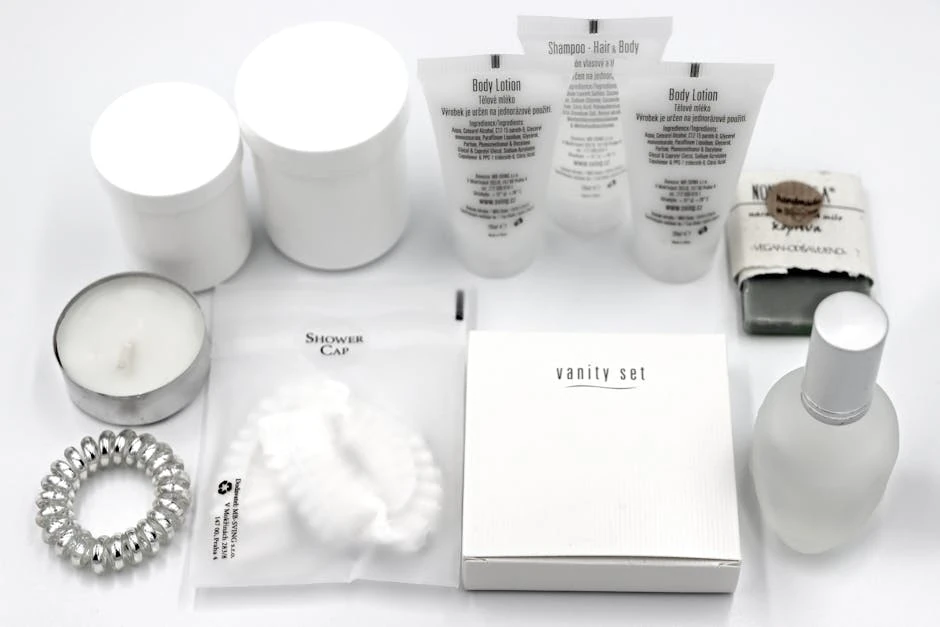
There’s a specific kind of shame that comes with standing at airport security, watching an officer remove your full-size face wash, shampoo, and what turns out to be three different bottles of conditioner you apparently packed on autopilot.
I know this shame. I’ve experienced it multiple times, across multiple airports, before I finally accepted that the rules are real and that packing toiletries correctly is actually not complicated once you understand the logic.
Here’s the full picture: the rules, the essentials, what changes depending on where you’re going, what you CAN buy abroad (and what you definitely cannot), and a few things that catch even experienced travelers off guard.
The 100ml rule: what it actually means
Every container of liquid, gel, cream, or paste must be 100ml or under. All containers must fit in a single small transparent resealable bag, the standard one is roughly 20x20cm. One bag per person. The bag must close.
This is the rule at all major airports worldwide, based on the 2006 international security standard. It doesn’t care that your moisturiser is 105ml. It doesn’t care that you’ve nearly finished it. The container itself must be labelled at 100ml or under.
What counts: Shampoo, conditioner, body wash, face wash, toner, serum, moisturiser, sunscreen, foundation, tinted moisturiser, BB cream, concealer, mascara, lip gloss, lip balm in gel or gloss form, toothpaste, mouthwash, perfume, aftershave, contact lens solution, hair gel, dry shampoo spray.
What doesn’t count: Solid soap bars, solid shampoo bars, solid conditioner bars, solid deodorant sticks, powder makeup (foundation powder, bronzer, eyeshadow), pressed powder, lip balm in wax stick form, eyeliner pencil (not liquid liner).
The genuinely grey areas: Mascara (wand is fine, technically a liquid, most security waves it through, put it in the bag anyway). Roll-on deodorant (liquid, goes in the bag). Solid deodorant stick (not a liquid, doesn’t strictly need to go in the bag, but some security officers will flag it, so just put it in the bag and avoid the conversation).
The essentials: what you actually need
I’ve stripped this down through years of iteration. Here’s what actually gets used:
Skin:
- SPF 50 sunscreen: in a 50ml travel bottle or solid stick format. Non-negotiable in every country including overcast ones. UV doesn’t care about clouds. This is the one piece of skincare advice given to me approximately 4,000 times before I consistently followed it.
- Facial cleanser: 30ml travel bottle is enough for two weeks. A gentle gel or balm cleanser does double duty as face wash and light makeup remover.
- Moisturiser: 30ml travel bottle. Planes and air-conditioning are extremely drying.
Hair:
- Shampoo bar or 100ml travel bottle of shampoo. Solid bars are the right answer here: they work well, last longer than the equivalent volume of liquid, skip the liquids bag entirely, and are widely available in travel sizes from Lush and others. Try at home first to confirm your hair agrees with them.
- Conditioner bar or 50ml travel bottle. Conditioner bars take a couple of uses to adjust to but they work.
Body:
- Solid soap or 100ml body wash
- Deodorant: solid stick form is the best travel format. Doesn’t count as a liquid, doesn’t spill, lasts as long as roll-on. If you use roll-on: 50ml travel size.
Oral:
- Travel-size toothpaste (25-50ml, universally available)
- Toothbrush (or a foldable travel toothbrush)
- Floss picks (not a roll: the individual pick kind takes up almost no room)
Other:
- Razor: disposable is fine, pack with cover on
- Hand cream in a 30ml tube: this is the item I always forget and always regret. Plane air plus washing hands in every airport bathroom leaves hands genuinely uncomfortable by arrival
That’s the full working list. Everything fits in the standard transparent bag with room to spare, assuming you’ve switched to solid bars for shampoo, conditioner, and soap.
What changes by destination: the country-specific stuff
This is the section most toiletries guides skip entirely. Here’s what actually matters.
Japan: Bring your own deodorant from home. This surprises almost everyone. Japanese pharmacies (and Japanese personal care culture generally) lean heavily toward light fragrance products and gentle body mists rather than the strong antiperspirant roll-ons and sticks that most Westerners rely on. You’ll find something, but it may not be what you’re used to, and hunting for it is more effort than just packing your own.
Japan is also notable for its onsen culture, hot spring baths. Many onsen still prohibit entry if you have visible tattoos. Research the specific onsen you want to visit, as policies vary. Some have become more flexible; others remain strict.
Japan has strict rules about certain medications. Some common over-the-counter medications in Western countries are regulated or prohibited in Japan, including certain allergy medications (particularly those containing pseudoephedrine, found in some cold and sinus remedies), some stimulants, and certain painkillers. If you take prescription medication, check the Japanese Ministry of Health guidelines or contact the Japanese embassy before you travel. Bringing a prohibited medication into Japan can result in serious consequences.
India: Pack stomach medication, oral rehydration sachets, and probiotics. I say this not to alarm but to prepare. India is one of the most food-extraordinary countries in the world, and it’s also a place where your gut, particularly in the first week, may need some adjustment time regardless of how careful you are. The food is worth it, and being prepared means the adjustment is a minor inconvenience rather than a ruined week.
Also: bring any specific feminine hygiene products you rely on in sufficient quantity. Tampons in particular can be difficult to find outside major cities and international supermarkets. Pads are widely available; tampons are not.
Southeast Asia (Thailand, Vietnam, Indonesia, Malaysia, Philippines): Almost everything is available and cheap. Sunscreen is everywhere (check the SPF level, some Asian sunscreens are lower SPF than labelled, so bring your own if you’re very SPF-conscious). Insect repellent is readily available; a small bottle from home will last until you can buy more. What’s less available: reliable contact lens solution in rural areas, specific prescription medications, and strong skincare actives (retinol, high-percentage vitamin C).
If you’re going to Bali or anywhere in Indonesia: some medications including some prescription drugs require paperwork to bring in legally. Check before you go.
China: Bring any medication you need, clearly labelled with the original packaging and a prescription or doctor’s letter where possible. China has different regulations for controlled substances than most Western countries. Some ADHD medications (Adderall, Ritalin) are prohibited. Some narcotic painkillers are prohibited. Check the Chinese customs and health authority guidance for your specific medications.
Western brands are increasingly available in Chinese cities, but prices are significantly higher than at home. Stock up before you go.
Middle East (UAE, Saudi Arabia, Jordan, Morocco): Alcohol-based products, including many perfumes and some mouthwashes, are generally fine to pack but worth being discreet about in more conservative settings. Some medications containing codeine are controlled in UAE. Don’t bring CBD products.
South America: If you’re going to altitude (Peru, Bolivia, Ecuador, Colombia’s highlands), altitude sickness medication (acetazolamide / Diamox) requires a prescription and should be arranged before you leave. It genuinely helps. Also: lip balm with SPF, because UV intensity at altitude is significantly higher than at sea level.
Australia and New Zealand: Strict biosecurity means you cannot bring in certain items, this primarily applies to food and plant matter, but some toiletry products with organic components can technically be flagged. Declare anything you’re uncertain about. The fines for non-declaration are severe.
What you can buy abroad (and what you can’t)
Widely available almost everywhere:
- Sunscreen (check SPF level)
- Basic shampoo and conditioner
- Toothpaste
- Soap
- Ibuprofen and paracetamol equivalents
- Plasters/bandaids
- Insect repellent
Often unavailable or unreliable in non-urban areas:
- Contact lens solution (in specific prescriptions)
- Tampons
- Strong deodorant
- Your specific prescription medications
- SPF above 30 in some developing countries
Usually available but more expensive abroad:
- Western pharmacy brands
- Specific skincare products (retinol, niacinamide, high-SPF formulas)
- Electric toothbrush heads
Often genuinely unavailable:
- Your specific prescription medication outside major cities
- Hair products for curly or textured hair: this is a real gap in many countries outside the US, UK, and Australia. Bring what you use.
- Certain contact lens prescription strengths
The medication pouch: what to actually pack
This isn’t the camping first aid kit. It’s a small zip pouch that covers the 10 scenarios that actually happen:
- Ibuprofen: headaches, muscle aches, reduced inflammation
- Paracetamol/acetaminophen: for contexts where ibuprofen isn’t appropriate (empty stomach, etc.)
- Antihistamines: allergies, insect bites, also doubles as a mild sleep aid on long flights
- Stomach settlers (Imodium or equivalent): destination-dependent, but generally useful
- Oral rehydration sachets: essential in hot climates or if you get gastro
- Blister plasters: if you’re doing any significant walking
- Antiseptic wipes: small pack, genuinely useful
- Any prescription medication with buffer days beyond your trip length
- A copy of your prescriptions (digital and printed)
This all fits in a sandwich-bag-sized pouch. The goal is not to be prepared for everything. It’s to be prepared for the top 10 things that actually happen to travelers, which are almost all minor and almost all fixable with basic supplies.
The toiletries bag setup
For carry-on travel: One transparent 20x20cm zip bag with all liquids/gels. Sits inside a larger toiletry bag for hotel bathroom organisation. The transparent bag is taken out at security and put back immediately after.
For checked luggage: Everything in a hanging toiletry bag that opens flat, these have multiple pockets and allow you to hang directly from a shower rail or towel hook rather than spreading everything across a bathroom counter. Worth the extra weight if you’re checking bags.
For very long trips or minimalist travel: Refillable 10ml or 15ml dropper bottles for serums and treatments. Solid bars for everything that comes in a solid format. A single 30ml bottle of all-in-one cleanser-toner. The goal is to get the liquids bag to 4-5 items maximum, which means you can see everything at security and find anything in your bag in under 10 seconds.
The short version: pack less than you think you need, in smaller containers than you own, and know which items you genuinely can’t replace abroad. That’s the whole system.
More on packing