Dubai and Abu Dhabi: I went with low expectations and that was the right preparation
 Mika Soren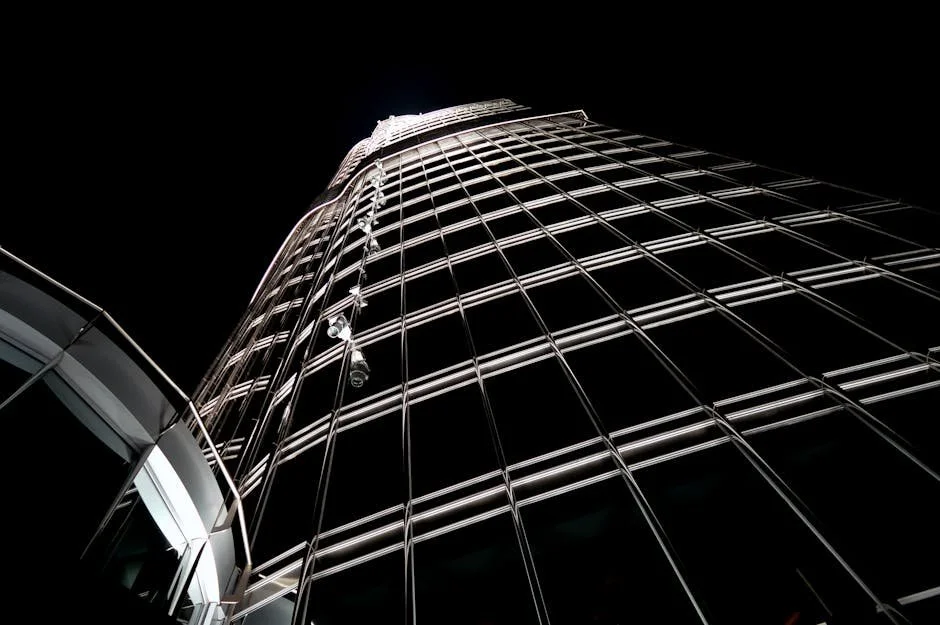
I went to Dubai fully prepared to be underwhelmed.
Not hostile. Just prepared for a place that had been described to me as a theme park for the wealthy: air-conditioned malls, artificial islands, the tallest buildings in the world used primarily as Instagram backdrops.
This is partially accurate. Dubai is absolutely those things. It’s also more complicated and more interesting than that description allows and the Burj Khalifa at sunset is one of the more arresting things I’ve stood near, which I didn’t expect.
Dubai: the artificial and the genuine at once
Dubai is a city that didn’t really exist fifty years ago. The transformation from small trading port to global hub has happened within living memory, and the pace and scale of what was built is genuinely extraordinary as a feat of intention regardless of what you think about the end product.
The Burj Khalifa. 828 metres tall, the tallest structure in the world. I went to the 124th floor observation deck and stood at a window for longer than I expected to.
The scale of the city visible below, the desert visible beyond the city, the Gulf on the other side: it recontextualises what you’ve been looking at from ground level. Book the At The Top deck in advance; the queue for walk-up tickets is substantial.
The old Dubai: Al Fahidi and the Creek. Before the towers, Dubai was a trading port on a tidal creek. Al Fahidi Historical Neighbourhood (also called Al Bastakiya) is the surviving old quarter: wind towers, courtyard houses, the texture of the city before the oil money. The Dubai Museum is in the Al Fahidi Fort here. A dhow water taxi (abra) across the Creek to Deira: three dirham, the same boats that have crossed here for generations, still the most pleasant way to cross.
The Deira gold and spice souks. On the Deira side of the Creek: the gold souk (an enormous covered arcade of jewellery shops, the concentration of gold is theatrical) and the spice souk (a few streets of covered market stalls with saffron and cardamom and dried limes and frankincense in sacks). The spice souk smells exactly as it should. Buy something. The dried Persian limes are excellent.
The Dubai Frame. A 150-metre picture frame straddling the boundary between old Dubai and new Dubai: on one side you see the old city; turn around and you see the towers. The conceit is entirely on purpose and it works.
Eating in Dubai: Dubai is one of the more interesting eating cities in the Middle East because the enormous expatriate and migrant population means every cuisine is available at a high level. The best Indian food I ate in the UAE was at a simple South Indian restaurant in Deira that served thali lunches to construction workers for 15 dirhams. The shawarma from the street stalls around the Clock Tower roundabout in Deira. The Emirati restaurants around the heritage area for harees (slow-cooked wheat and meat porridge) and machboos (spiced rice with meat, the national dish).
Abu Dhabi: the Louvre and the mosque
Two hours from Dubai by bus (comfortable, very cheap). Worth it specifically for two things.
The Sheikh Zayed Grand Mosque. The third-largest mosque in the world and the most beautiful building I’ve been in in the Gulf. White marble, 82 domes, the largest carpet in the world (hand-knotted, from Iran), 1,000 marble columns, the chandelier in the main prayer hall hung with Swarovski crystals. Entry is free for non-Muslims outside prayer times; dress modestly (they provide abayas for women and dishdashes for men at the entrance if you need them). Go in the late afternoon before the sunset and stay for the lights as they come on at dusk.
The Louvre Abu Dhabi. Jean Nouvel’s museum design on Saadiyat Island: a perforated steel dome that creates dappled light effects over the galleries and the water below it. The collection is a genuinely ambitious attempt to tell art history as a global narrative rather than a Western European one: artefacts from every civilisation arranged chronologically and thematically rather than by cultural origin.
The architecture alone is worth seeing; the collection rewards staying.
The practical Dubai experience
The heat. May to September in Dubai is extremely hot (40°C plus) and the humidity from the Gulf makes it feel hotter. The city accommodates this: everything is air-conditioned, everything is connected by covered walkways, the malls are essentially temperature-controlled cities within the city. October to April is genuinely pleasant.
The law. The UAE has laws that differ significantly from Western countries: drugs, alcohol (licensed premises only, prohibited in public), public displays of affection, and dress codes in certain areas. These apply to visitors. This is not theoretical.
The malls. Dubai Mall and Mall of the Emirates are genuinely enormous and contain things (an ice rink, an aquarium, a ski slope) that you’d see in separate venues elsewhere. I mention this not to recommend them as culture but as experiences in their own right: they are what they are and what they are is unprecedented in scale.
Taxis and the RTA app. Dubai’s taxi network is good. The RTA app (the official Dubai transport app) is better for booking: fixed prices, no negotiation. The metro covers the main tourist corridor but not the older parts of the city.
Coverage in Dubai and Abu Dhabi is excellent. Among the fastest 5G networks in the world in certain areas. The UAE has some specific restrictions on VoIP services (WhatsApp and Skype calls may be limited depending on your provider). I’ve put together a guide to eSIMs in the UAE with current coverage and the VoIP situation.
Dubai is the place you think you won’t like and then find yourself having opinions about.
Mine turned out to be more positive than expected.
The spice souk, the Burj at sunset, the mosque in Abu Dhabi.
Worth more than a stopover.
More from the region
Heading to UAE? Sort your eSIM first.
I've compared the main providers, checked the real pricing, and put together a guide on the best eSIM options for UAE.
Best eSIM for UAE →