The United States is not one place: what I learned from six cities and a road trip through the southwest
 Mika Soren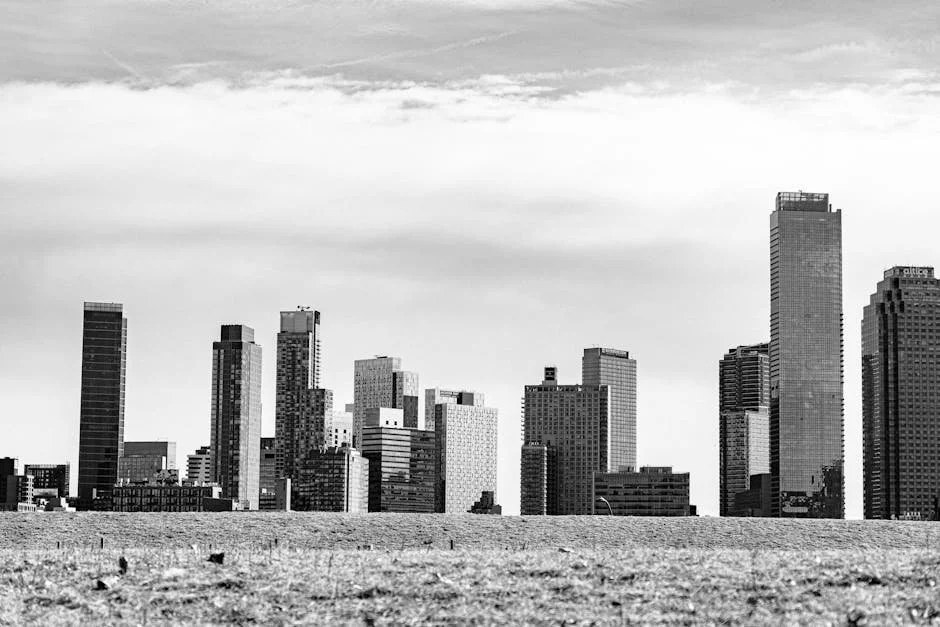
The first thing to understand about the United States is that it isn’t a country in the way most countries are countries.
It’s a continent with a federal government. The cultural difference between New Orleans and Portland is greater than the difference between France and Germany. The physical difference between the New Mexico desert and the Oregon coast is on a scale that European geography doesn’t prepare you for.
I’ve been in six cities and driven through four states. I have seen about 4% of it. I feel qualified to say this: it keeps being different from what you expect, in almost every direction.
New York: you have to give it at least ten days
I went to New York twice. The first time, four days. I did the obvious things, found it overwhelming and expensive and difficult to navigate, came home unsure what the fuss was about.
The second time, twelve days. I understood.
New York does not work as a short visit.
The city is too layered. You need time to get past the first reading of it and into the actual thing.
The neighbourhood structure. Manhattan is where everything famous is. The best daily-life version of New York is not primarily Manhattan. Brooklyn (Williamsburg, Greenpoint, Park Slope, Dumbo) has the food scene and the parks. Queens (Flushing for the best Chinese food in the country, Jackson Heights for South Asian and Latin food) has some of the best ethnic food on earth. The Bronx has Arthur Avenue (the real Little Italy, not the tourist one in Manhattan). Staten Island: I’ve never been, I have no useful information.
Central Park. Obvious, necessary, brilliant. Go in the morning when the joggers are out and you can walk from end to end without it feeling crowded. The Ramble (the wooded section in the middle) is particularly good. Rent a bike for a lap of the outer path.
The High Line. Elevated park on a disused rail line running through Chelsea. Linear, planted, with views into buildings and across to New Jersey. Very popular, go early in the day. The area around it (West Chelsea) has the main gallery district: walk down from the High Line and into the galleries on any Saturday.
Eating in New York: Eating well in New York is one of the greatest available experiences. The range is extraordinary: every cuisine cooked by people who came from the place it’s from. The dim sum in Flushing’s Golden Shopping Mall. The bagels (Ess-a-Bagel or Absolute Bagels, the debate is meaningful). The pizza (Joe’s in the West Village for a classic slice, a piece of white paper, eaten while walking). The ramen at Ichiran in Midtown where you eat alone in individual booths, which is the correct way to eat ramen. The pastrami at Katz’s Delicatessen on the Lower East Side, where the line is long and the pastrami is worth every minute of it.
The culture institutions. The Met: give it a full day, start in whichever department genuinely interests you (I start in the arms and armour room because the fifteenth-century plate armour never gets old). MoMA for modern and contemporary. The Guggenheim for the building as much as the collection. All need booking ahead in peak season.
The southwest road trip: the drive is the destination
Flew into Los Angeles. Drove to Santa Fe via the Mojave Desert, Joshua Tree, Route 66 fragments, Sedona, and the Petrified Forest. Six days. The best road trip I’ve done.
Mojave Desert. Empty in a way that photographs do not capture. Silence. Heat (go September or March/April, not July when it will genuinely kill you). The kind of landscape that makes you understand why the space program was built in the American west.
Joshua Tree National Park. Stay the night. The dark sky here is one of the better stargazing experiences accessible without serious hiking: no light pollution, the Milky Way visible to the naked eye on a clear night. The rock formations are extraordinary, particularly at sunrise. Camp if you can get a site, otherwise the town of Twentynine Palms just east is fine.
Route 66 fragments. Most of the original Route 66 is gone or running parallel to the Interstate. What remains is genuinely evocative: the abandoned motels, the roadside diners that have been there since the 1950s, the signage that hasn’t changed. Seligman in Arizona is the one to stop in.
Sedona, Arizona. Red rock formations, spiritual tourism (the vortexes are a whole thing), and some of the most dramatic landscape in North America. Cathedral Rock at sunset is the shot. The hiking is excellent: Bell Rock trail for a first walk, Airport Mesa for the view. Skip the crystal shops but eat at the breakfast places on the main road.
Santa Fe, New Mexico. The most surprising city on this route. Centuries-old adobe architecture, excellent contemporary art scene (Georgia O’Keeffe Museum is a must), and the best green chile situation in the country. New Mexico green chile is a specific agricultural product and a culinary tradition and I ate it on eggs for breakfast every morning in Santa Fe and would repeat this without modification.
New Orleans: the place that operates by different rules
Two weeks in New Orleans. I genuinely considered not leaving.
New Orleans is like nowhere else in the United States.
The architecture (French Quarter wrought iron balconies, Garden District antebellum houses), the food, the music culture, the heat, the relationship with time. Things happen when they happen. Dinner is late. The city does not rush.
The French Quarter. Do it first thing in the morning when Bourbon Street has been hosed down and the restaurants are serving beignets and café au lait at Café Du Monde and the light is doing something specific to the old buildings. Come back in the evening when it’s a completely different place.
The music. New Orleans jazz, blues, and second-line brass band culture is alive and not a museum exhibit. Frenchmen Street (not Bourbon Street) is where the music venues are: clubs with no cover charge where extraordinary musicians play every night of the week. The Spotted Cat, the Frenchmen Art Market on weekends. Go after 10pm. This is when it starts.
The food. The cuisine of New Orleans is a category of its own: Creole and Cajun, French and African and Spanish and Native American influences producing something that exists nowhere else. Gumbo. Red beans and rice on Mondays (a tradition going back generations). Po’boys (roast beef or fried shrimp on French bread). Beignets at Café Du Monde at 2am with powdered sugar on your shirt. The Cochon restaurant in the Warehouse District for a serious version of this cuisine. The neighbourhood restaurants in the Bywater and Tremé for the everyday version.
Portland, Oregon: came for a week, stayed for two
The coffee. That’s why I stayed.
Portland has an absurdly good coffee culture for a city its size. Stumptown (founded here, now national), Water Avenue, Heart, Coava (roasting in a converted badminton hall, one of the more beautiful café spaces I’ve been in). Every neighbourhood has something good.
Food trucks. Portland has the best food truck scene in the country. Not the mobile trucks you see at festivals: permanent pods in dedicated lots, many of which have been operating for years. The Hawthorne neighborhood lots and the blocks around SW 10th for lunch.
Powell’s Books. The world’s largest independent bookstore, an entire city block, new and used books mixed together by category. I have spent four hours in here and not seen all of it. Budget time accordingly.
The Japanese Garden and Lan Su Chinese Garden. Both excellent, both in the city. The Japanese Garden in Washington Park is one of the most authentic outside Japan. Lan Su in Old Town is an extraordinary walled Ming dynasty garden in the middle of a city.
Practical notes
Tipping is genuinely a cost. Budget 18-20% on top of restaurant bills. It’s not optional in the way it can feel optional elsewhere. Taxis, coffee (yes, even drip coffee), restaurant meals: tip.
The health insurance thing. If you’re injured or ill seriously in the USA without travel insurance, the costs are genuinely catastrophic. Get travel insurance that covers medical, before you go, and keep the card accessible.
Driving. Most of the USA requires a car. New York and parts of Chicago are the main exceptions. International driving licences are accepted. Drive on the right. Left-turn-on-red is not standard (right-turn-on-red mostly is). Take the road trip.
Data. Major US carriers (AT&T, T-Mobile, Verizon) have good coverage in cities and on major highways but it drops significantly in rural areas, national parks, and the desert southwest. Plan for offline maps in places like Joshua Tree. I tested several eSIM options for the USA and laid out the coverage differences here.
The United States is bigger and stranger and more interesting than the version of it that most of the world carries in its head from film and television.
Go somewhere you didn’t expect to go. Drive somewhere remote. Eat the regional thing.
It keeps being worth it.
More from the region
Heading to United States? Sort your eSIM first.
I've compared the main providers, checked the real pricing, and put together a guide on the best eSIM options for United States.
Best eSIM for United States →