What to pack in a carry-on (so you're not that person repacking at the gate)
 Mika Soren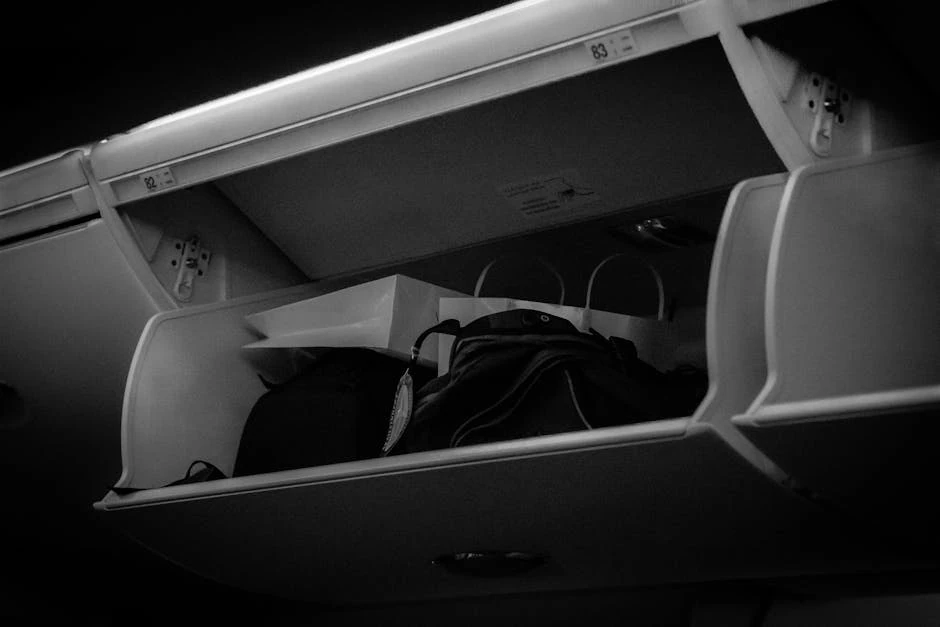
I have stood at an airport security belt and removed a full-size shampoo bottle, a can of dry shampoo, and what turned out to be two full-size deodorants I somehow packed without noticing.
The security officer said nothing. She just looked at me the way a teacher looks at a student who has done the same wrong answer for the third time.
That was Edinburgh, 2021. I had been traveling for two years at that point. I knew the rules. I had simply chosen to believe the rules did not apply to me.
They apply to everyone. Here’s everything you actually need to know.
The actual rules (not the vague version)
Liquid limits: Every container of liquid, gel, cream, or paste must be 100ml or less. All containers must fit inside a single transparent resealable bag, approximately 20x20cm. One bag per passenger. The bag has to actually close. This is not a guideline or a rough approximation, it is the rule at every major airport in the world, and it is enforced.
What counts as a liquid: shampoo, conditioner, body wash, face wash, moisturiser, sunscreen, foundation, tinted moisturiser, mascara, lip gloss, toothpaste, mouthwash, perfume, contact lens solution, serums, hair gel.
What doesn’t count: solid soap, solid shampoo bars, solid conditioner bars, powder makeup, lip balm in stick form (not gloss, not gel formula), deodorant in solid stick form.
Grey areas: mascara technically counts (most security staff wave it through; put it in the bag to be safe). Solid deodorant technically doesn’t, but some security staff will pull it. Put it in the bag.
Size limits: Most airlines allow a cabin bag of approximately 55 x 40 x 20 cm and a personal item (smaller bag under the seat). BUT budget airlines in particular vary significantly, measure bags at the gate, and will make you check or bin your bag if it’s over limit. The offenders to be most careful about: Ryanair, Wizz Air, EasyJet in Europe; Spirit and Frontier in the US; AirAsia in Southeast Asia. Check your specific airline’s current rules, not the internet’s cached version from 2022.
Weight limits: Some airlines have a cabin bag weight limit (typically 7-10kg). This is less commonly enforced but can be checked on some routes. Weigh your bag before leaving home if you’re close to the edge.
What actually fits in a carry-on (the honest answer)
More than you think. The instinct is that a carry-on is only for short trips. That’s not true. I’ve done three-week trips carry-on only, including a week in Scandinavia in October. The question isn’t trip length; it’s whether you’re packing the right things.
The foundation of carry-on packing: wear your heaviest items.
Your heaviest shoes go on your feet. Your warmest layer goes on your body. Your laptop bag or daypack is your personal item. Once you’ve offloaded the three heaviest categories to “things you’re wearing,” the bag suddenly has a lot more room.
Clothes for 1-2 weeks:
- 3-4 tops that work together (same colour palette, mix and match)
- 2 bottoms
- 1 jacket or layer worn on the plane
- Underwear and socks (I do laundry if the trip is over 5-6 days)
- 1 pair of shoes not on my feet (packable flats, sandals, or lightweight trainers depending on trip)
- 1 outfit that works for somewhere nicer
This fits in a 20L bag with room left for tech and toiletries. Not crammed, genuinely fits.
Clothes for cold destinations:
Winter packing carry-on is the real challenge. The trick is: one genuinely warm layer rather than multiple medium ones. A packable down jacket (the kind that compresses into its own pocket) weighs around 300-400g, takes up roughly the space of a water bottle when packed, and is warmer than two hoodies. Merino wool base layers pack small, regulate temperature, and can be worn multiple days between washes without becoming a problem for the people around you.
For a week in Scandinavia in October I packed: down jacket worn on the plane, two merino long-sleeve tops, one merino t-shirt, one pair of thick trousers, one pair of jeans (worn on the plane), merino socks, ankle boots on my feet, one pair of warm socks, warm scarf. It all fit. It was warm enough.
What changes by destination:
Southeast Asia: Pack less than you think. The heat means you wear minimal clothing. Quick-dry fabrics are genuinely useful because humidity means things don’t dry overnight the way they would in Europe. The one thing to add: something modest for temples. Thailand, Bali, Vietnam, most temples require covered shoulders and knees. A lightweight scarf or sarong in your bag solves this instantly.
Japan: Japan has coin-operated laundry in almost every accommodation including budget places. You can pack for 4 days and do laundry every 4-5 days without stress. What you should bring that’s easy to forget: small towel for day trips (public bathrooms in rural areas often don’t have hand dryers or paper towels), and cash. Japan is still remarkably cash-based outside major cities.
Middle East: If you’re visiting mosques or religious sites in Saudi Arabia, Iran, UAE, or Morocco, coverage requirements are stricter than you might expect. For women: loose long trousers or a long skirt, sleeves to the elbow at minimum, a headscarf for Iran (required by law) and for mosque visits elsewhere. For men: long trousers for religious sites. Pack this from home; don’t rely on buying appropriate clothing on arrival.
India: Pack lightweight and breathable. The same principles apply as Southeast Asia, with the addition that many areas are extremely conservative, particularly in rural regions and smaller cities. A dupatta (lightweight scarf) from home or bought locally doubles as sun protection and modesty covering.
The liquids bag: how to stop failing at this
The single transparent bag should contain only what you actually use every day. Not everything that could theoretically be a liquid. Not everything in your bathroom at home.
My liquids bag contains:
- SPF 50 sunscreen (50ml travel bottle)
- Facial cleanser (30ml travel bottle)
- Moisturiser (30ml travel bottle)
- Mascara (goes in the bag; don’t test this)
- Contact lens solution (30ml, enough for the trip)
That’s it. Everything else I’ve switched to solid bars (shampoo, conditioner, soap) or solid format (deodorant stick). The liquids bag now closes easily and goes through security without drama.
The solid bar switch: I know it sounds like a step down. I genuinely thought solid shampoo bars would be inferior. They’re not. The good ones (Lush makes reliable ones; there are plenty of others) work well, last longer than a bottle of equivalent size, weigh almost nothing, and sail through security without touching your liquids bag. Same for conditioner bars. Same for solid soap. Worth trying at home before a trip to make sure they work with your hair and skin.
Your personal item: use it properly
Most airlines allow both a carry-on AND a personal item (a bag that fits under the seat: handbag, laptop bag, small backpack). This is an opportunity people underuse.
What goes in the personal item:
- Laptop (taken out for security, goes back in immediately after)
- Chargers and power bank
- Earbuds
- Whatever you want to access during the flight (book, snacks, passport)
- Any fragile items you don’t want in the overhead bin
This means your carry-on overhead bag contains only clothes, toiletries, and shoes. Everything you actively need during a journey is under the seat in front of you.
The budget airline caveat: Some low-cost carriers charge for a carry-on but include one personal item free. Check this before you book. On some airlines the right approach is to pack everything into one personal-item-sized bag and skip the cabin bag fee entirely. Ryanair’s “small personal item” allowance (40 x 20 x 25 cm, free) is smaller than their paid cabin bag. Know which tier you’re on.
What changes at security: airport by airport
Most major airports follow the same rules, but there are regional differences worth knowing.
US airports (TSA): Shoes off, laptops out, liquids out. Strict but consistent. TSA PreCheck (for US residents) skips most of this.
UK airports: Shoes don’t always have to come off, though larger items of footwear sometimes get asked. Laptops out, liquids out. Generally efficient.
Japan airports: Extremely thorough and calm. Follow instructions, everything goes through fine.
India airports: Vary significantly. Some are meticulous, some are less so. Have everything accessible and move quickly when waved through.
Smaller regional airports in Southeast Asia: Sometimes surprisingly lax about liquids; sometimes rigorous. I always pack correctly and treat any easy passage as a bonus, not something I planned for.
The overhead bin rules nobody writes in signs
Put your bag above your own seat. Not at the front of the plane when you’re sitting at the back. Everyone whose bag gets displaced because you stored yours two sections forward: they know what you did. They won’t say anything. They are absolutely thinking about it.
Bag goes in wheels-first if it has wheels. This fits more bags in the bin and is the correct move. If you see someone doing this, they travel often. If you see someone putting the wheels toward the aisle, they do not.
Jacket goes on top of your bag, not in the bin independently. Bins fill up. A jacket taking up a full section is how other people end up gate-checking their bags because there’s no space. Your jacket goes on your lap or over your legs or on top of your bag.
The carry-on checklist
In the cabin bag:
- Clothes (per plan above)
- Toiletries (100ml liquids in transparent bag, solid alternatives where possible)
- Shoes not worn on feet
- Small first aid pouch (plasters, ibuprofen, antihistamines, anything destination-specific)
- Medication (in original packaging where possible)
In the personal item:
- Laptop/tablet
- Chargers, power bank, adapter
- Earbuds
- Passport, boarding pass
- Anything needed during the flight
Wearing:
- Heaviest shoes
- Warmest layer
- Watch, belt (off for security, back on immediately after)
That’s the system. It works for any destination, any climate, any trip length from 3 days to 3 months. The bag just gets lighter or heavier depending on how many days of laundry you’re willing to skip.
More on packing